




How to choose - types of refrigeration


Types of fridge
 Anchor down
Size guide
Anchor down
Integrated or freestanding?
Anchor down
Energy ratings
Anchor down
Extra features
Anchor down
Delivery & installation
Anchor down
FAQs
Anchor down
Types of fridges and fridge freezers

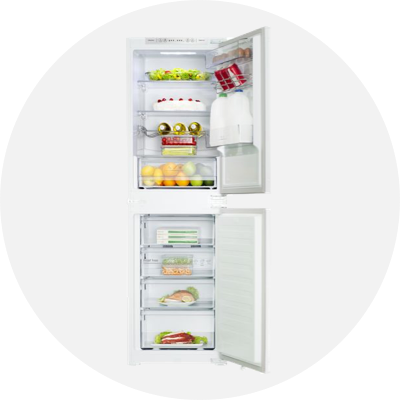
Fridge freezer
At their most basic, fridge freezers have two doors - one for the freezer section and another for the fridge section. Lots come with different upgrade options too, letting you add extra features later on like a water dispenser.
Shop fridge freezers

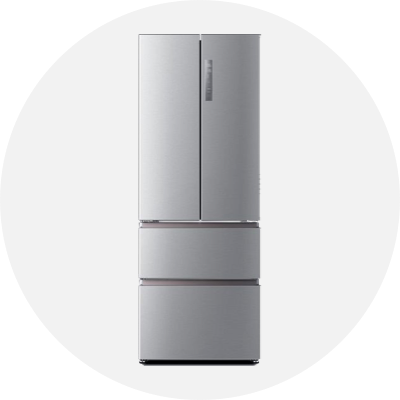
American-style fridge freezer
Bigger, designed with multiple sections, and often with a built-in water dispenser, American-style fridge freezers are one of the best choices for large families.
Shop American-style fridge freezers

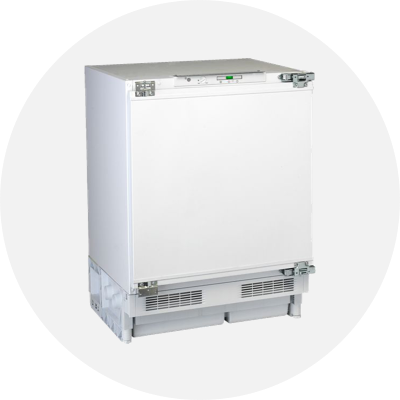
Under-counter fridges
Under-counter fridges are shorter, more compact and can also include flexible storage, Fast Chill and automatic defrost features. They’re a great all-rounder, and work best in smaller houses where space is at a premium.
Shop under-counter fridges

Tall fridges
Tall models or larder fridges let you store more fresh food and usually have special compartments for storing different kinds, like veg, raw meat and eggs. Most come with handy features like Fast Chill and automatic defrosting. They can also be paired with a tall freezer for the ultimate fridge‑freezer combo.
Shop tall fridges
Do I need an integrated or freestanding fridge or fridge freezer?

Freestanding
A freestanding fridge offers more flexibility and choice. It doesn’t need cabinetry or matching doors and is usually easier to install. You can also get a wider range of sizes, styles and features.
If you have the space and don’t mind having it on display, a freestanding fridge can also be easier to replace in the future.
Shop freestanding fridge freezers

Integrated
If you’re fitting a fridge into existing kitchen cabinets, an integrated fridge is designed to sit flush behind a cupboard door for a seamless look. Integrated fridges use either sliding or fixed hinges, which need to match your kitchen cabinet setup - so it’s important to check which hinge type your kitchen supports before buying.
Shop integrated fridge freezers
Fridge energy ratings
Every fridge and fridge freezer comes with an energy rating label, showing how energy‑efficient it is and an estimated yearly running cost. As fridges run 24/7, choosing a more energy‑efficient model can make a noticeable difference to your energy bills over time.
What is an energy rating?
Energy ratings typically range from A (most efficient) to G (least efficient). An A‑rated fridge freezer will usually cost more upfront, but it uses less electricity, which can help reduce long‑term running costs compared with lower‑rated models.
When comparing models, it’s worth looking beyond the letter rating and checking the annual energy consumption (kWh) on the label. This gives you a clearer picture of how much energy a fridge or fridge freezer is likely to use in real terms.

Fridge energy labels explained
Fridges and fridge freezers are using energy around the clock. So, choosing an efficient model can help to keep your running costs down.
The current energy label scale runs from A to G – with A being the most efficient. These ratings make it a lot easier to compare products and quickly understand how much energy they use each year.
You’ll see energy labels on our product pages online, as well as on the appliance itself. They include a lot of useful info, like energy consumption, its capacity and how much noise it’ll make. All of this is good to know before you spend any cash.
Older fridge labels explained
If you’re replacing an older fridge, there’s a good chance you’ll have come across ratings like A or A+++. These were part of the old energy label system.
Today’s labels use the stricter A to G scale. This means that a lot of highly efficient fridges that would once have been rated A+++ might now get a D, E or F rating.
Don’t let a lower letter put you off though. The newer system just sets a much higher benchmark, so you’re still getting an efficient appliance.

How do I save energy?
Air circulation
Air circulation tech uses special vents or metal cooling panels to keep the temperature consistent in your fridge. Instead of cold air staying in one spot, it’ll move evenly around every shelf. This reduces warm spots and stops temperatures from going up and down. Both help your food to stay fresh for longer. And it’ll preserve its flavour and quality too.

Overcrowding your fridge reduces the airflow and makes the fridge over-work, increasing your energy bills.
Chloe, Currys tech expert

Fridge features worth looking out for
Water or ice dispenser
Love a chilled drink? Plumbed dispensers connect straight to your water supply, giving you a constant flow of water and more space for ice. On the other hand, non-plumbed models use a refillable inner tank. This makes them a bit easier to install and lets you put them wherever you like.

Low frost, no frost or frost free
Low frost reduces ice build-up and means you won’t have to defrost your fridge as often. While No frost/frost free tech stops ice from forming completely (so you’ll never need to defrost the appliance yourself).
Food preservation
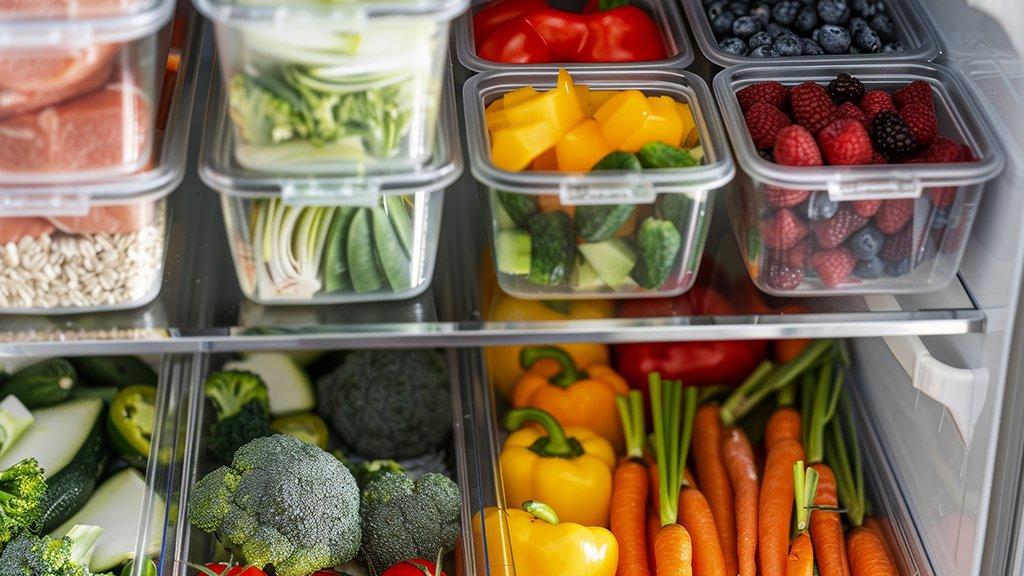
Smart food preservation features – like humidity-controlled drawers – create the ideal environment for your fruit and veg. They’ll keep your food fresher and tastier. And it should help it to last a bit longer too.
Multi-door designs & configurations
Traditional 50/50, 60/40 and 70/30 (the split between fridge and freezer compartments) are the most popular options out there. American-style and multi-door models then offer extra room. And some make things even more energy efficient by letting you access one section at a time.
Wine rack
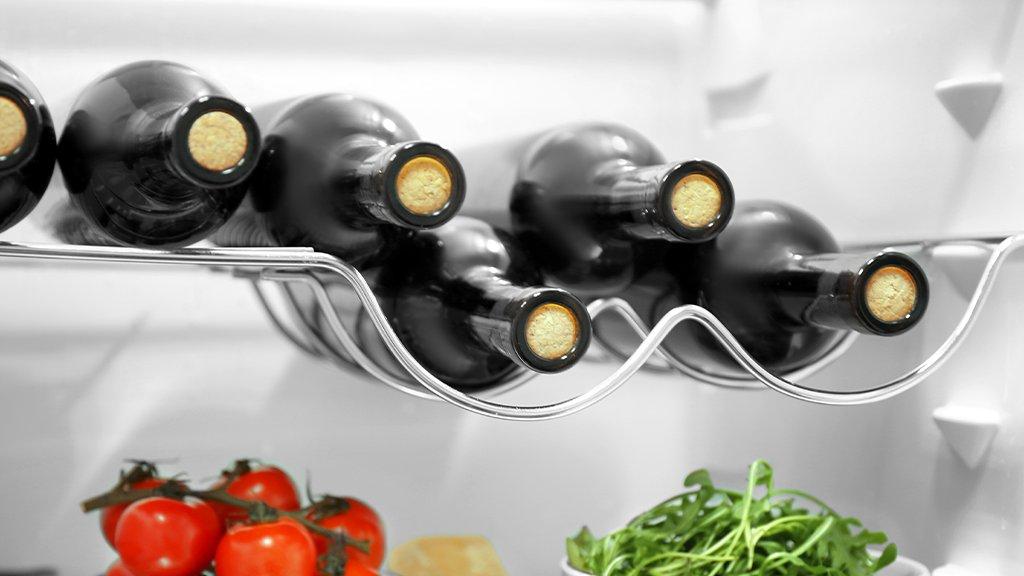
eep any bottles stored safely and within easy reach. A special wine rack frees up shelf space too and helps you organise your fridge a lot better.
Top brand picks

Bosch
Sets of flexible compartments let you customise how you store your food. And when you grab something while cooking? Anti-fingerprint brushed steel finishes stop them getting covered in grubby marks. Then there’s the 5-warranty and spare parts available for up to 15 years after you buy your appliance. If anything goes wrong, you’re covered.

Beko
Technologies like HarvestFresh™ and AeroFlow™ help to preserve your food’s freshness. And with Total No Frost, there’s no defrosting – and even less maintenance. Plus, if you want to store one in your garage or outbuilding, you can. Many models come with Freezer Guard tech that means they’ll perform in temperatures as low as -15°C.

LG
LG appliances are packed with cool tech. DoorCooling+™ and LINEARCooling™ create a balanced temperature. While the spacious storage gives you plenty of room for family food shops. Many also come with smart connectivity, letting you control them straight from your phone.

Hotpoint
From Fresh Zone drawers that keep food at its best to frost free tech that saves you from defrosting, Hotpoint combine handy features with excellent value for money.
Types of freezer
Anchor down
Size guide
Anchor down
Energy ratings
Anchor down
Features
Anchor down
Shopping checklist
Anchor down
Delivery & installation
Anchor down
FAQs
Anchor down
Types of freezer

Upright freezer
An upright freezer is the ideal partner for an upright fridge and comes in a range of heights and widths. If you’re looking to buy a freezer but don’t have much floor space, upright models are a great option, as the storage capacity comes from the height of the appliance rather than its width.
Shop upright freezers

Chest freezer
If you want to buy a new freezer for bulk storage, a chest freezer lets you freeze more food at once. They’re ideal for large households and can help cut down on shopping trips. Look for a chest freezer with a 4‑star freezer rating, which means food can be stored safely for up to 12 months.
With their top‑opening design, some chest freezers can also be installed in a garage, utility room or outbuilding. That gives you extra freezer space when you need it.
Shop chest freezers

Undercounter freezer
Compact and convenient, under-counter models suit smaller homes and make ideal secondary freezers. They also often include flexible storage, Fast Freeze and Frost-Free features.
Shop undercounter freezers
Freezer energy labels explained
Every freezer comes with an energy label rating that shows how efficiently it uses electricity. The current scale runs from A to G, with A being the most energy efficient and G being the least.
A more efficient freezer could help to lower your energy bills over time. Just don’t be surprised if you don’t see that many A-rated models out there yet. The scale was redesigned to make room for any improvements further down the line. So, for now, most modern freezers generally sit somewhere between a C and an F rating.
You’ll find energy labels on our online product pages. They display the appliance’s rating, along with the annual energy usage. They also come attached to the freezer itself which makes it easy to compare models if you’re wandering around one of our stores.
Older freezer labels explained
You might be used to seeing freezer ratings like A+, A++ etc. These were part of the old energy label system.
The new labels use a simpler A to G scale. Because the requirements are a lot stricter now, a freezer that was rated A+++ under the old system could now get a C, D or even an F rating.
That doesn’t mean it’s less efficient. It just means the measuring system has changed. So, if you’re replacing an older A+ freezer with a new D-rated model, you don’t have to worry. The newer appliance could be just as energy efficient or even better!

How do I save energy?

Storage facilities
Many chest freezers include one or more storage baskets suspended over the main compartment – use them to store smaller items like bags of frozen vegetables or oven chips for easy location and to prevent spillages.
Some freezers have an extra-large drawer or basket for storing large, awkward goods such as Christmas turkeys, large cuts of meat or whole fish.

Transparent drawers
Transparent drawers let you easily check the amount and condition of your remaining groceries, without having to constantly open drawers and let cold air escape.

Star rating
How long you can store frozen food depends on the freezer’s rating, which ranges from 1-star to 4-star. The higher the rating, the colder the freezer and the longer you can store food safely. A 4-star rating means you can safely store food for up to 12 months. Lower ratings are for short-term storage only.
1-star ice box – operates at a minimum temperature of -6 degrees Celsius
2-star ice box – operates at a minimum temperature of -12 degrees Celsius
3-star ice box – operates at a minimum temperature of -18 degrees Celsius
4-star freezer – operates at a minimum temperature of -18 degrees Celsius

Frost free
Frost-free freezers prevent icy build up, so you won't need to defrost them – plus you'll have more storage space. This means you can save time and effort, as you won’t have to go through the laborious defrosting process like with static freezers.
Static freezers require manual defrosting periodically to ensure optimum performance and storage conditions.
Shop frost free freezers

Fast freeze
This ingenious function rapidly lowers the freezer’s temperatures so fresh foods are frozen quicker. Fast freezing locks in nutrients for freshness when defrosting. It's perfect for food that's warmed up on the trip home from the supermarket, or when you need to quickly chill a bottle of wine.

Ice cube trays
Most freezers include ice cube trays, and some tall models even offer twist ice trays and house a convenient an easy-to-use ice dispenser for keeping drinks cool year-round.

Alarms
Many freezers include built‑in alarms that alert you if the door is left open or if the internal temperature rises unexpectedly. These are reassuring feature that helps protect your food if a drawer isn’t fully closed or there’s a power interruption, reducing waste and avoiding nasty surprises.
Shop freezers with an alarm

Suitable for outbuildings
Some freezers are designed to work properly in colder environments, making them suitable for garages, sheds or utility rooms. They’re built to keep running and maintain the correct temperature even when it’s cold, so your food stays safely frozen wherever you place it.
Shop freezers suitable for outbuildings
When freezing leftover meals, divide up big batches into smaller portions. It saves time defrosting, and cuts down on waste.
Katrina, Currys tech expert

Number of zones
Anchor down
Things to consider
Anchor down
Delivery & installation
Anchor down
FAQs
Anchor down
Depending on whether you're a keen collector or regularly serve wine, you'll want to buy a wine cooler or wine fridge that offers ideal storage conditions and maintains the right temperature for instant enjoyment.
Number of zones

Single-zone wine cooler
Single temperature wine coolers are designed for long-term storage and ageing of one type of wine. One temperature is maintained throughout the appliance. They are ideal for wine collectors, since all wine should be stored at 55 degrees and 55-75% relative humidity for proper ageing.
Shop single-zone wine coolers

Dual-zone wine cooler
Dual-zone coolers offer two temperatures and are ideal if you regularly enjoy different wines or entertain often and want to serve wine, champagne or both at the best drinking temperature. You can also age one wine while using the other compartment for chilling champagne to be served at a party.
Wine coolers with two temperature zones can also be set to accommodate red and white wines simultaneously, keeping them in the right conditions so they taste their best when it's time to pour. The recommended serving temperature for white wine is between 7 to 10°C, while red is best served between 10 and 18°C. Champagne is best served chilled, between 6 and 11°C, and rosé between 7 and 13°C.
Shop dual-zone wine coolers
Things to consider when buying a wine cooler


DIY fridge freezer installation tips and advice
Installing a fridge freezer yourself is often straightforward, as long as you do a bit of prep and know when to call in the professionals. Here’s a short, practical guide to help you get it right first time.


