

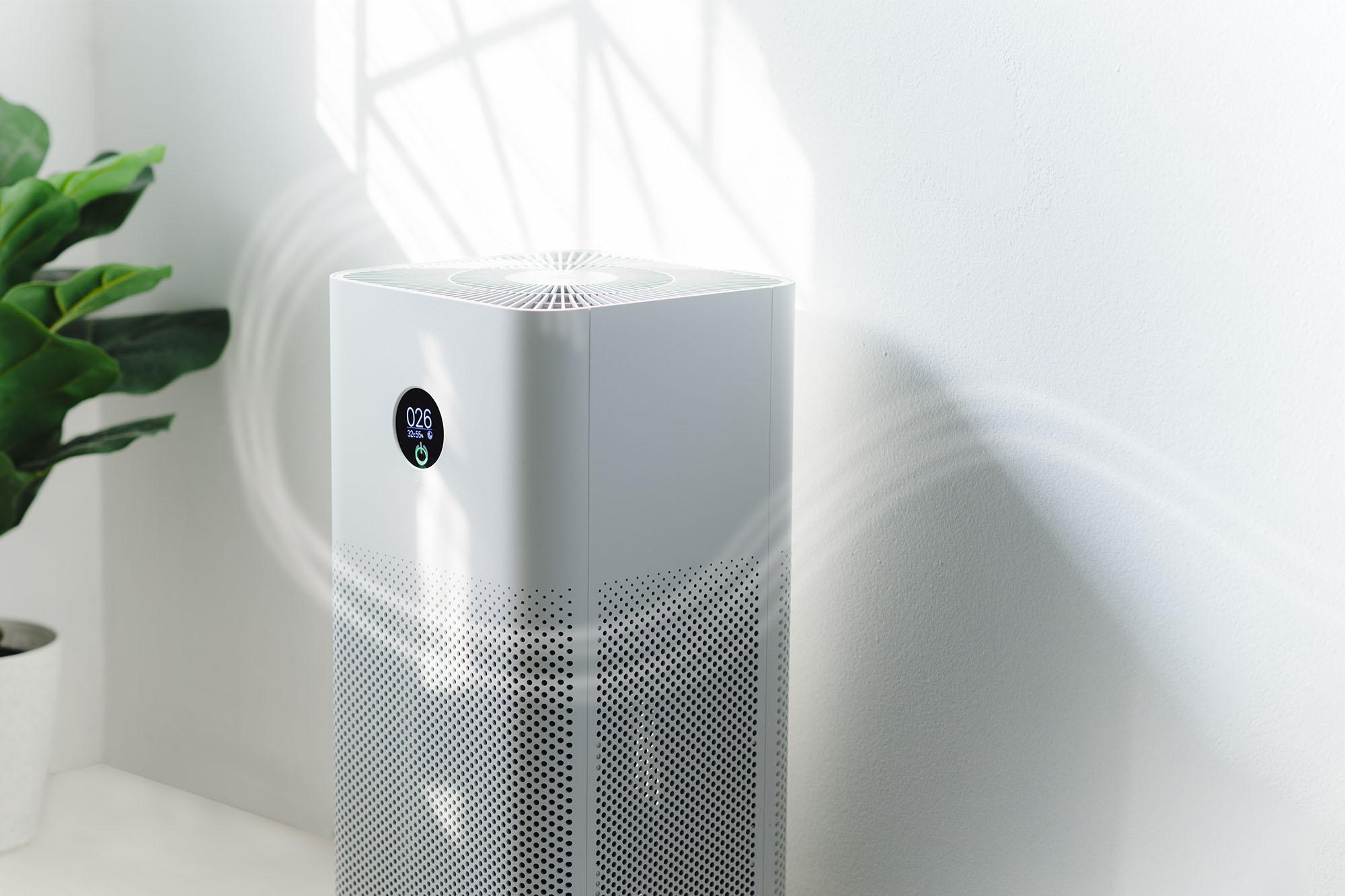
Maybe it’s the weather, or maybe we just love our homes, but the average person in the UK spends around 90% of their time indoors. However, with pollen, pet dander, dust and cooking odours all circulating around the home, indoor air quality can have a bigger impact than you might think.
That’s where an air purifier can help. The right model can help remove airborne particles and keep your home feeling fresher every day. So whether you're battling hay fever, sharing your home with pets or need something powerful for larger rooms, we've picked the best air purifiers for the job.

Best air purifier overall
Model: DYSON BP06 HEPA Big + Quiet Formaldehyde Air Purifier
Top feature: Powerful HEPA H13 purification for rooms up to 100 m² with smart air-quality monitoring.
If you're after a premium all-rounder, it's hard to look past the DYSON BP06 HEPA Big + Quiet Formaldehyde Air Purifier. As usual, Dyson’s answer to purification is crammed with clever tech.
The Dyson BP06 uses HEPA H13 filtration to capture 99.95% of particles as small as 0.1 microns. It also monitors formaldehyde levels and continuously breaks down the gas using Dyson's catalytic filtration system. You’re never out of the loop, as real-time air quality reporting lets you know what’s in the air around you. And it’s surprisingly quiet, so is a great fit for bedrooms, home offices and open-plan spaces alike.
Best budget air purifier
Model: PHILIPS PureProtect Mini 900 Series AC0921/14 Air Purifier
Top feature: Compact size with coverage up to 65 m².
The PHILIPS PureProtect Mini 900 Series is a great entry point for anyone buying their first air purifier. Despite its compact design, it's suitable for rooms up to 65 m² and uses Philips' NanoProtect filtration system to capture airborne particles and allergens. It's a great fit for bedrooms, small flats and home offices where space is limited.
Best air purifier and dehumidifier
Model: LOGIK L25DHA25 Dehumidifier & Air Purifier
Top feature: Combines HEPA air filtration with whole-home moisture control.
If floor space is limited, a combined dehumidifier and air purifier can be a smart solution.
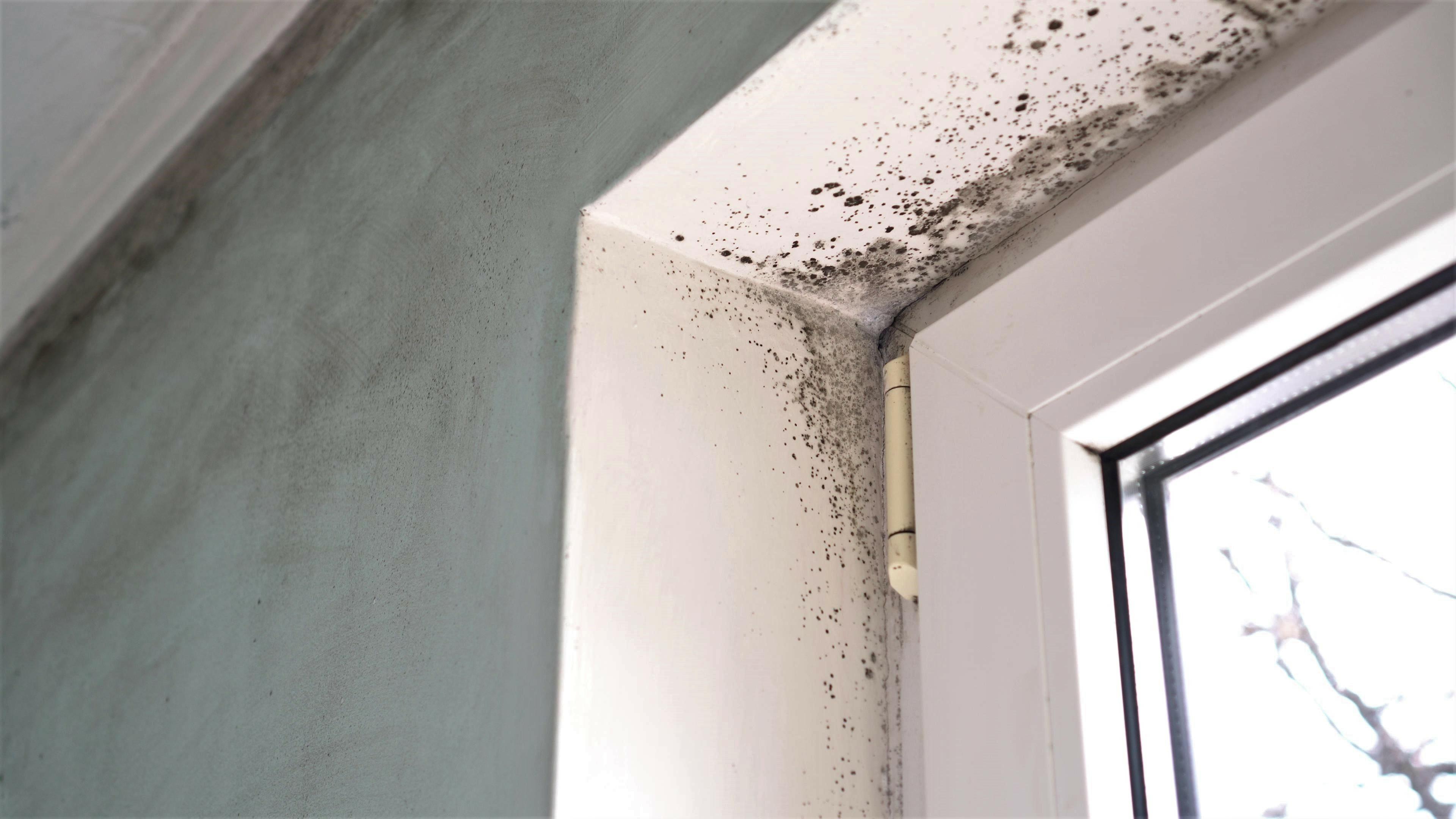
If you're looking to tackle damp air and airborne particles at the same time, the LOGIK L25DHA25 Dehumidifier & Air Purifier is a practical two-in-one option. Designed for spaces up to 120 m², it removes excess moisture from the air while its HEPA filter captures allergens and other airborne particles. That combination makes it particularly useful in homes affected by condensation, mould or damp, where improving air quality often goes hand in hand with reducing humidity levels. That’s two very handy appliances in one.
If you're weighing up the benefits, our guide explains the differences between air purifiers and dehumidifiers.
Best HEPA air purifier for allergies
Model: BLUEAIR Blue Max 3250i Smart Air Purifier
Top feature: HEPASilent filtration that tackles pollen, dust and allergens without creating lots of noise.
For allergy sufferers, the best rated HEPA air purifiers are the ones you can comfortably run every day.
The BLUEAIR Blue Max 3250i combines particle filtration and smart air-quality monitoring with Blueair's HEPASilent technology. So, you can leave it running throughout the day without it becoming a distraction. During pollen season, it can help reduce the amount of airborne pollen, dust and other irritants circulating around the home. And its app lets you adjust settings remotely, while automatic monitoring reacts to changing air conditions.
Best air purifier for pets and odours
Model: SHARK NeverChange5 HP150UK Air Purifier
Top feature: Anti-Odour technology and long-life filtration designed for homes with pets.
We love our pets, but they also mean dander, masses of hair and some not-so-pleasant smells. The SHARK NeverChange5 HP150UK is well suited to homes with pets thanks to its anti-allergen filtration and Anti-Odour technology. Hair, dust and dander are trapped before they build up around your home, while the integrated odour control helps tackle pet smells. Plus, Shark's NeverChange filter system can last for years before it needs replacing.
Best air purifier for bedrooms and small rooms
Model: BLUEAIR Blue Pure 511 Air Purifier
Top feature: Compact design with whisper-quiet operation.
If you're looking for the best air purifier for a bedroom, size and noise levels matter nearly as much as filtration. The compact BLUEAIR Blue Pure 511 is designed for smaller spaces and bedrooms. Night mode keeps noise levels low, making it ideal for sleeping. Plus, its 360-degree air intake means you can put it pretty much anywhere.
Best air purifier for large rooms
Model: PHILIPS 8000 Series AMF870/35 3-in-1 Air Purifier, Fan & Heater
Top feature: Purifies, cools and heats rooms up to 70 m².
Large spaces can be harder to keep comfortable, especially if they're open-plan or used by lots of people throughout the day.
The PHILIPS 8000 Series AMF870/35 3-in-1 Air Purifier, Fan & Heater is designed for rooms up to 70 m², combining air purification with fan and heating functions. So it’s useful to have ready all year round. Philips' NanoProtect filtration system helps capture airborne allergens and fine particles, while real-time air quality monitoring automatically adjusts performance based on the conditions in the room.
Recommended air purifiers
| Model | Best for | Key strength |
|---|---|---|
| Dyson BP06 HEPA Big + Quiet Formaldehyde | Overall | Premium smart purification |
| Blueair Blue Max 3250i | Allergies | HEPASilent allergen filtration |
| Shark NeverChange5 HP150UK | Pets & odours | Anti-odour technology |
| Blueair Blue Pure 511 | Bedrooms | Compact and quiet |
| Philips 8000 Series AMF870/35 | Large rooms | Purifies, heats and cools |
| Logik L25DHA25 | Air purifier & dehumidifier | Moisture control and HEPA filtration |
| Philips PureProtect Mini 900 Series | Budget | Affordable everyday purification |
What to consider when buying an air purifier
Before choosing an air purifier, think about:
Room size: Match the purifier's coverage area to the room you'll use it in most. If you're between sizes, it's worth going for the larger model.
Filter type: True HEPA and HEPA H13 filters are particularly effective against fine particles.
CADR (Clean Air Delivery Rate): Higher CADR generally means faster purification.
Noise level: Important for bedrooms, nurseries and home offices.
Running costs: Check how often you have to change the filter and energy efficiency.
Smart features: App controls and auto modes can make day-to-day use easier.
Pet and odour control: Look for carbon filters or dedicated anti-odour technology.
Extra functions: Some models heat, cool, dehumidify or monitor air quality.
You can learn more about what an air purifier is in our dedicated guide.
Need more info?
The best air purifier for you depends on your space, lifestyle and what air-quality issues you want to tackle. Whether you're keeping allergies, pet odours or damp conditions in check, there's an air purifier to suit. For more help narrowing down your choice, take a look at our Fans, heating and air treatment buying guide.

FAQs
Are air purifiers worth it?
Yes. Air purifiers are a good investment if you want to reduce airborne pollutants such as dust, pollen, pet dander, smoke and odours. They can't eliminate every air quality issue, but they can help create a cleaner indoor environment and may be particularly useful for allergy sufferers.
What is the best air purifier?
The best air purifier depends on your needs. For all-round performance, a premium model with HEPA filtration, smart monitoring and strong room coverage is often the way to go. For most homes, the Dyson BP06 HEPA Big + Quiet Formaldehyde Air Purifier stands out for its HEPA H13 filtration, smart monitoring and bigger room coverage.
Do air purifiers help with hay fever?
Yes. Air purifiers can help with hay fever by capturing airborne pollen particles before they circulate around your home. Models with HEPA filtration are particularly effective and may help reduce pollen exposure during peak allergy seasons.
How often does an air purifier filter need to be changed?
Most air purifier filters need replacing every six to 12 months, although this varies by model and usage. Some systems have filter-life indicators, while others, such as long-life filtration systems, can last significantly longer before replacement is required.