

Installing an electric cooker doesn’t have to be complicated - especially if you choose a model that simply plugs in. With a little preparation and the right approach, you can make the process smooth and stress-free. Here’s what you need to know before you start, and why calling in the experts can often be the smartest move.
Measure up before you buy
Before you even think about installation, make sure your new cooker will fit perfectly in your kitchen. Start by checking the width of the space available; most cookers come in standard sizes of 50cm, 55cm or 60cm.
Height is just as important - if you have worktops, the cooker should sit level for a neat, professional finish. Don’t forget about depth clearance either. Leave enough space behind the appliance ensures proper ventilation and room for the plug.
Plan a clear path
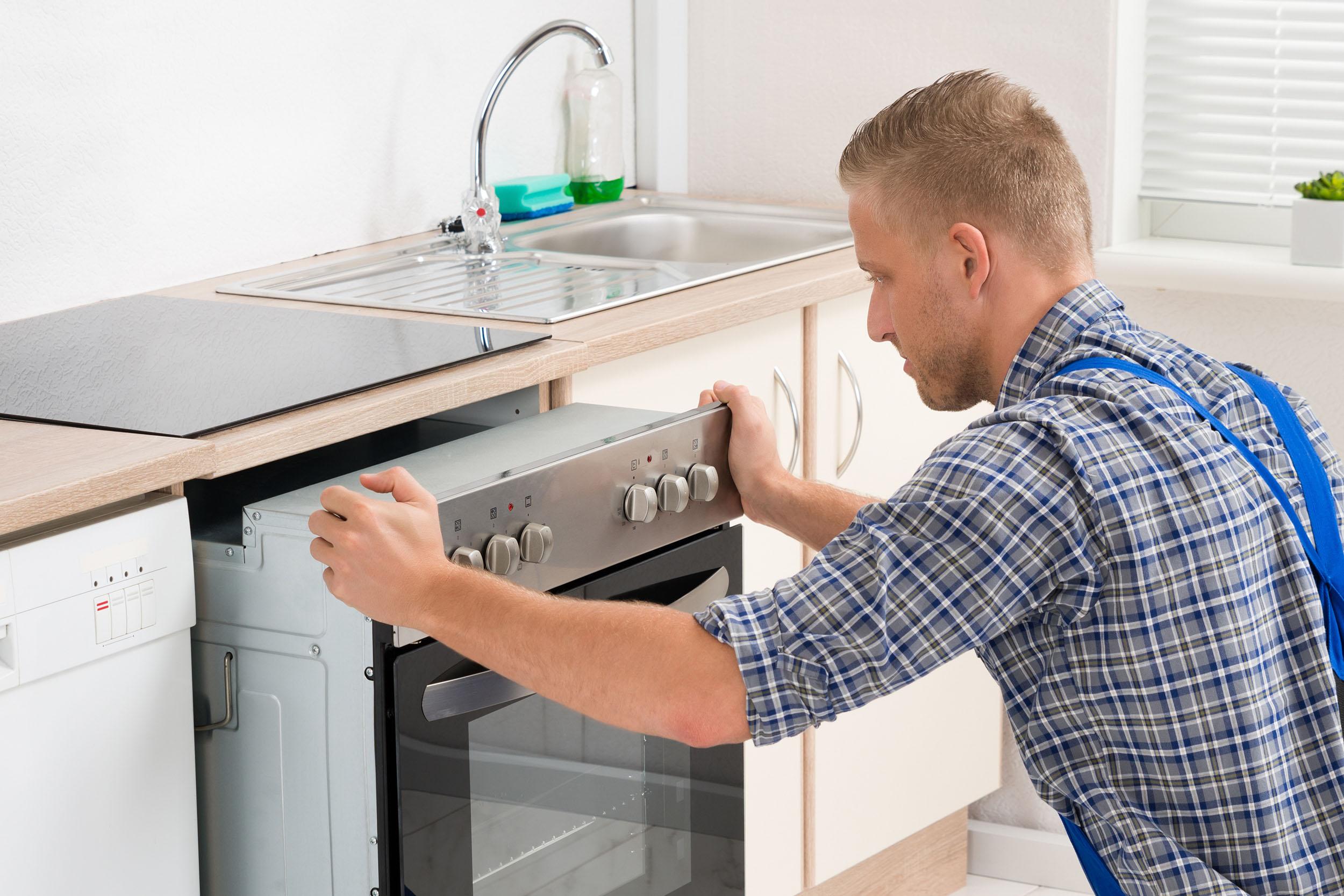
Once you’ve confirmed the measurements, think about how the cooker will get into position. Remove any obstacles so it can be moved safely and protect your floors from scratches during installation.
If you’re replacing an old cooker, disconnect it first. If you’re buying your new cooker from Currys, select Recycle at checkout and we can take your old one away where it can be safely and sensibly recycled.
For hardwired appliances, this should always be done by a qualified professional to avoid any safety risks. Our Installation experts can take care of it. Just choose Installation at check out.
Plug-In cookers: The simple option
If you’ve chosen a modern electric cooker with a standard UK plug, you’re in luck - installation couldn’t be easier. All you need to do it make sure a plug socket is available and within 1.5 metres of where you plan to put the appliance.
Simply position the appliance, plug it into a 13-amp socket and you’re ready to start cooking. These models are designed for convenience, but it’s still worth checking the power rating to make sure everything is compatible. If you’re not sure, talk to a Tech expert in-store or use ShopLive for a video call. We’re always happy to help!
What if it needs hardwiring?
Not all cookers are plug-and-play. Larger models often require a dedicated circuit, which means hardwiring. This is not a DIY job - UK regulations (Part P) require that electrical work is carried out by a qualified electrician. Professional installers can handle this safely and provide certification for peace of mind.
Why choose professional installation?
While installing a plug-in cooker is straightforward, professional installation offers real benefits. You’ll have peace of mind knowing everything meets UK safety standards. Plus you won’t have to deal with the hassle of wiring, testing or disposing of your old appliance. It’s a stress-free solution that saves time and effort.
FAQs
Do I need a professional to install an electric oven?
Yes, most electric ovens require a qualified electrician for installation. This ensures the appliance is connected safely to the correct circuit and complies with local electrical regulations.
What power supply does an electric oven need?
Electric ovens typically require a hardwired connection to a 220–240V supply on a dedicated circuit. The amperage depends on the oven size and model - usually between 13A and 32A.
Do I need a separate circuit breaker for my oven?
Yes, a dedicated circuit breaker is recommended for safety and to prevent overloading other circuits in your home.
How much space should I leave around the oven?
Follow the manufacturer’s clearance guidelines. Typically, you’ll need a few centimeters around the sides and back for ventilation and heat dissipation.
Can I install an electric oven myself?
If the oven uses a standard plug and meets local regulations, you might be able to install it yourself. However, hardwired ovens should always be installed by a qualified electrician.
How long does installation take?
Professional installation usually takes 1–2 hours, depending on whether wiring adjustments or new circuits are needed.
Is there a difference between installing a built-in oven and a freestanding one?
Yes. Built-in ovens often require precise cabinetry adjustments and hardwiring, while freestanding ovens may be easier to position but still need proper electrical connections.
Final checks
Once your cooker is in place, take a moment to check everything. Make sure the appliance works properly, the cable isn’t pinched or under strain and the area around the cooker is clear for ventilation. These small steps can prevent problems later on.
What’s next?
Shopping for a new electric cooker? You’ll find tips, tricks and hat you should be looking for on our Cooker buying guide.