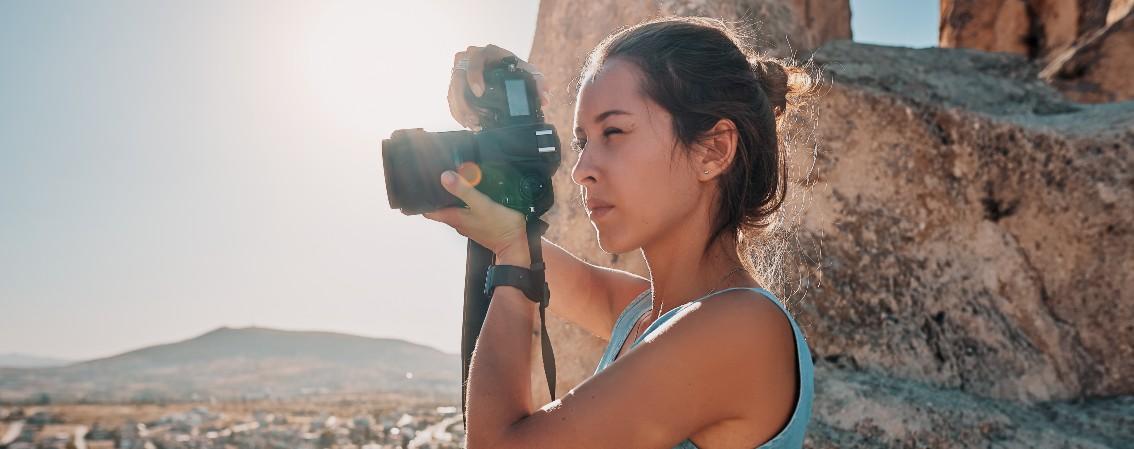


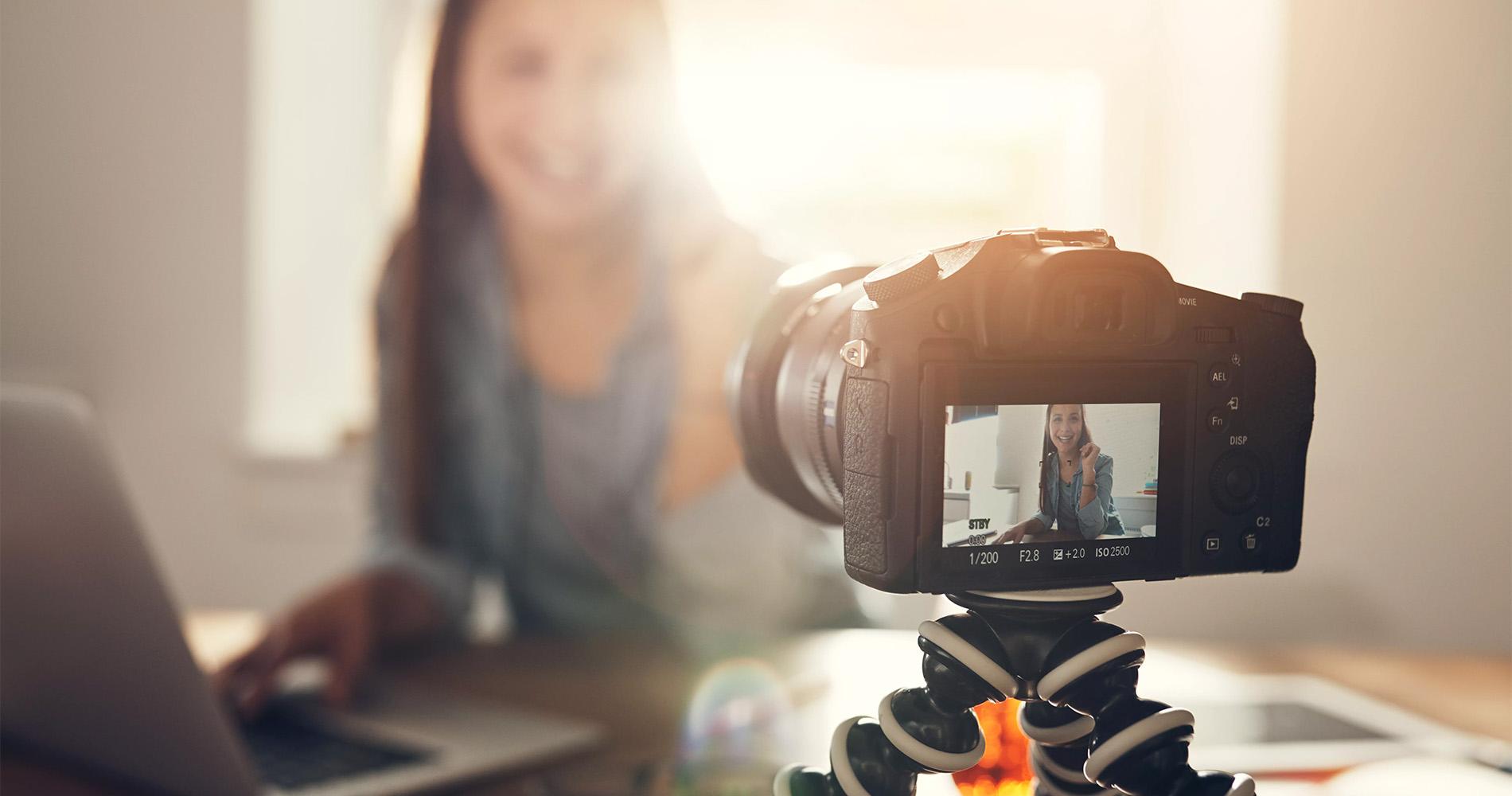
Travel writer, food lover, fashion designer… whatever your passion, excellent images and video make your work stand out. That’s where a great camera comes in — and there are loads of options out there perfect for the type of content you want to create.
But which one should you go for? To make things easier, we’ve rounded up the best cameras for blogs and vlogs right here. Say cheeeese!
What's the difference between a vlogging and a blogging camera?
Think of it like this: vlogging cameras are made for recording videos, while a blogging camera is better at taking pictures. Each are designed to be good at certain things.
They usually fall into categories like DSLR cameras or mirrorless cameras, but there’s plenty of crossover. Most digital cameras today can shoot both high-quality photos and video, so you can snap pics for your blog and film a vlog all with one cam.
To cut through any confusion, here are the main types of cameras and what makes them good:
What is the best camera for blogging?
The best all-rounder has to be the Sony ZV-1 II. It was literally designed with blogging and vlogging in mind. You can keep an eye on your subject while you shoot — just flip the vari-angle touchscreen around to see if everything’s looking good. And you won’t forget to record your best moments either, thanks to the red light on the front that glows when you’re rolling.
There are even special modes for specific content. If you make product reviews, switch on ‘Product Showcase’. It’ll automatically swap the focus to whatever’s in your hand. Your viewers can then get a proper look at the gear you’re showing off.
And for stills — its large 1-inch Exmor RSTM CMOS sensor captures sharp images with beautiful background blur.

Which camera is most useful for travel blogging?
Travel light with the Canon PowerShot G7 X Mark III Vlogging Kit. It packs in the G7 X Mark III camera alongside a tripod grip and a 64GB SD memory card. Everything you need to get creative on the go!
When you’re travelling, you’re probably going to be snapping away at different times of the day. And with the G7 X Mark III, you’ll get brilliant shots in any kind of light. Capture that stunning morning sunrise. Or record colourful, exciting nightlife as you hit the city streets. It’s all down to the smart built-in HS System, which makes all your shots look extra clear.
This cam’s super steady too. Image stabiliser tech removes the shakes from bumpy car rides. Or if you’re setting up shop in front of a stunning location, the included tripod is a must-have. You can keep your followers updated in real-time too, with the G7 X Mark III letting you livestream or upload straight to YouTube.

What is the best camera for video blogging?
The Sony ZV-E10L is a serious contender. It can record in 4K at 30 frames per second — for crisp, super detailed video. Or if you want things to look extra smooth, use the 120-fps mode in full HD. It comes with a retractable lens with powered zoom too, so it’ll pick up scenes at a distance completely blur-free. Even while you’re shooting handheld.
But what’s a great video without great sound? A nifty built-in mic picks up your voice and any other important audio. And it does it in a clear, natural way. If you want to record outside, you won’t have to worry about wind drowning you out. Just fit the included windscreen to keep your sound smooth.

What is the best camera for food blogging?
If you want to tickle people’s tastebuds, go for the Canon EOS R50 mirrorless camera. Its APS-C sensor takes photos up to 24.2 megapixels. So, every part of the plate (from the seasoning to the sauce) will look its tastiest.
Plus, you can even record 4K video. That means slow-moving shots will absolutely sizzle, whether you’re frying or chopping. And the bold colour makes even a Brussels sprout look appealing!
It’s made for sharing your dinners on socials and causing real food envy. Use the vertical video shooting feature for Insta-friendly content — no image resizing required. And once you’re happy with your shots, send them quickly to your phone or laptop via Bluetooth or Wi-Fi. Now you’re cooking.
If you see yourself creating all kinds of content with this cam, the Canon EOS R50 Creator Kit is a great shout. It comes with a nifty tripod grip for steady shots when you're on the move or filming in front of a cool backdrop. Plus, the included stereo mic attachment means you'll get crisp audio wherever you are.

What is a good vlogging camera for beginners?
When you’re just starting out, you’ll want something that’s easy to use. So, go for the Sony ZV-1F. Its simple controls and point-and-shoot design make it perfect for vlogging newbies. Plus, with all your key controls on the screen, you don’t have to spend ages menu diving. You can just quickly find what you need exactly when you need it.
You also don’t have to worry about bad video quality. The ‘Eye Autofocus’ feature automatically makes anything you film look ultra sharp. Just hit play and get vlogging straight away — there’s less setup, less hassle, and even fewer takes.
It suits any scale of content too. You can fit in everything from a beautiful vista to your friends celebrating a birthday. That’s down to the ultra-wide angle 20mm lens, with more lens meaning even more in the frame.

FAQs
What is a vlogging camera?
It’s a camera designed with video content creators in mind. They’re perfect for filming clips for platforms like YouTube, TikTok, or Instagram. And while you can vlog with many types of cams, a dedicated vlogging model can make the process smoother with features tailored towards video capture. Speaking of…
What features should you look for in a vlogging camera?
When picking a camera for vlogging, there are a few key things to look out for that can really improve your content:
Autofocus: Look for fast and accurate autofocus to keep you looking sharp, especially when you're moving around or filming solo.
Image stabilisation: Helps smooth out shaky footage if you’re shooting handheld or on the go.
Low-light performance: A camera that performs well in dim lighting keeps your videos detailed, vibrant and free of grain — even indoors or at night.
Flip screen: Makes it easier to frame yourself while filming, so you can see exactly what your audience will.
External mic input: Allows you to connect a better microphone for clearer and more professional audio.
Best budget cameras for blogging and vlogging
If you’re looking for the best camera for vlogging and photography (that won’t break the bank), here are some coolest models to check out:
Sony ZV-1: A compact powerhouse with excellent autofocus, a handy flip-out screen, and crisp 4K video. Great if you’re a vlogger after a simple, all-in-one cam with superb image quality.
Fujifilm X-M5: A slightly more expensive option that offers impressive 6.2K video, subject tracking, and a special vlogging mode.
DJI Osmo Pocket 3: Extremely portable with a built-in 3-axis gimbal for ultra-smooth footage. It features a flip screen and supports 4K 120p video too, making it perfect for solo vlogging.
Canon EOS R50: Light, easy to use, and great for both photos and video. All thanks to its 24MP sensor, 4K 30p video, and Canon’s brilliant Dual Pixel autofocus tech.
Do you need a separate camera for vlogging and photography?
No, many modern cameras are designed to handle both really well. Mirrorless and DSLR models often provide high-quality photo capabilities and video features like 4K recording, flip screens, and external mic inputs. If your content involves both blogging and vlogging, a good hybrid camera can save you money and keep your setup simple.
Need more help?
You’ve got the camera, now it’s time to get clued up with our best vlogging tips. Then you can add the finishing touches to your content with the best video editing software. Still need more camera advice? Give our big camera buying guide a read.
-F?fmt=auto)