

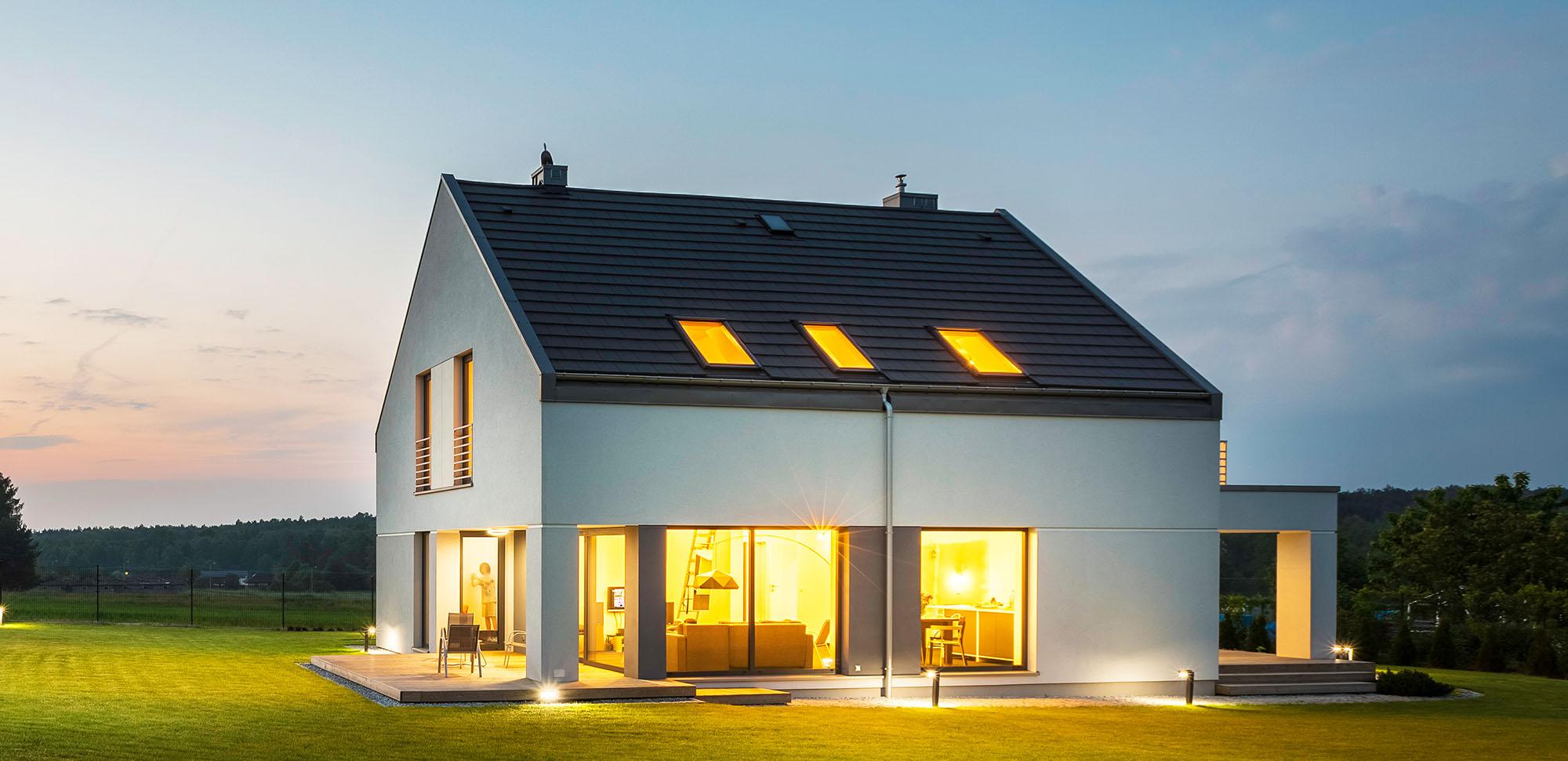
There’s something about good lighting that makes your home feel right. Everything just feels more comfortable, inviting, and a bit more Hygge - that Danish vibe where the right glow makes evenings more cosy.
The latest smart lights don’t just look good - they’re also more useful than standard lighting. Smart lighting in your home is easier to set up, more energy-efficient, and works with voice control. So, If you’re looking for some tips and inspiration to help brighten up your home, here are some real lightbulb moments!
1. Upgrade to smart bulbs for flexible lighting
If you only change one thing, make it your bulbs. Swapping your standard bulbs for smart bulbs instantly gives you control over brightness and colour temperature. For example:
Warm whites will give you that cosy, relaxed mood lighting feel.
Cooler whites are better when you need to focus.
The latest smart bulbs UK homes use are just as bright as regular LEDs. And a lot of them work without a hub if you like keeping things simple. It’s the easiest upgrade you can make, and you’ll notice the difference straight away.
The Philips Hue White & Colour Ambiance smart bulb starter kit let you explore millions of colours as well as different whites. Something simpler like the TP-Link Tapo smart Wi-Fi LED bulb is perfect if you want to control things with an app, rather than extra kit like a hub.
2. Add smart light strips for a mellower feel

Overhead lighting can sometimes feel a bit harsh. That’s where smart light strips come in. They’re brilliant for adding softer, indirect light that makes your room feel calm and inviting. Try putting them behind your TV, under kitchen cabinets, along shelves or tucked behind a headboard. They’re especially good in smaller rooms because they don’t take up any space.
The Phlips Hue smart light strips are great if you want full colour control and TV syncing. TP-LINK smart light strips are perfect for simple warm white lighting.
3. Use voice assistants for more control
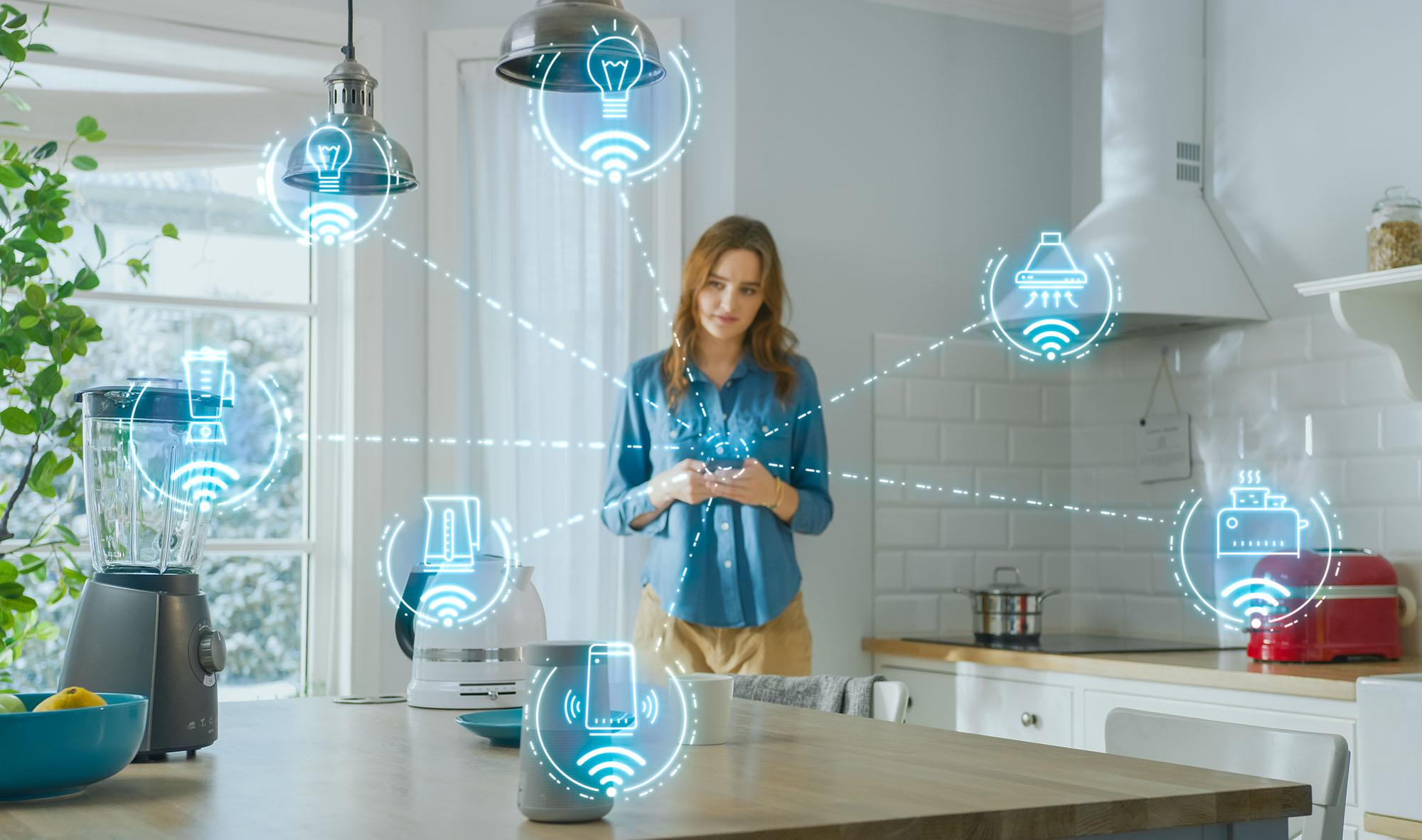
Pair your smart lights with voice assistants and you can control brightness, colours and more complicated commands without moving from the sofa. There’s something so futuristic and satisfying about saying “lights off” and making it happen!
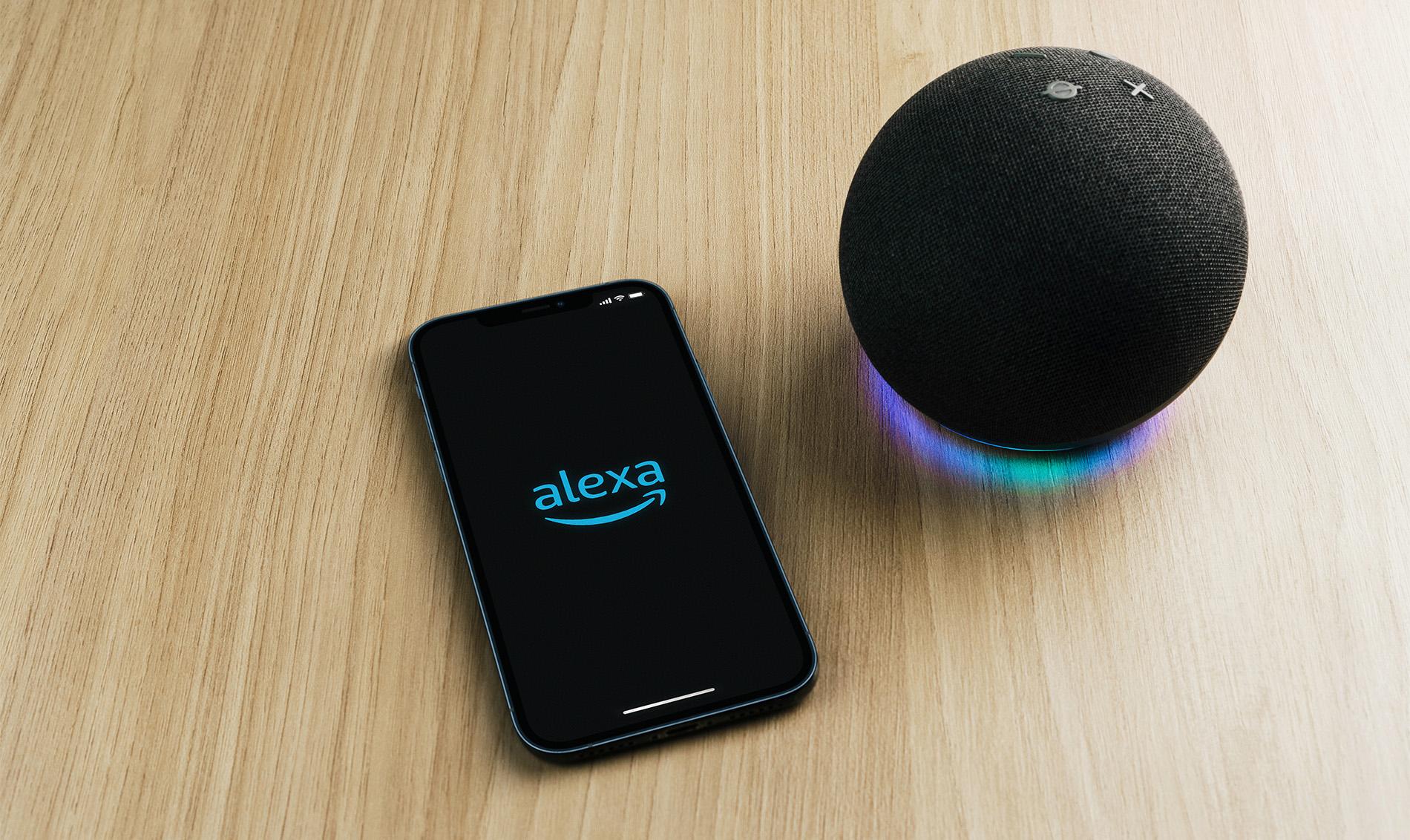
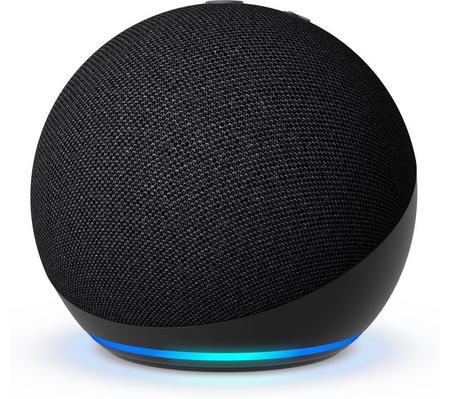
Devices like the Amazon Echo Dot (5th Gen) or Google Nest let you create everyday routines that make life simple. Use commands like “movie night” to dim the lights in the living room, or “good morning” to gently brighten things up. These smart assistants let different people control the same lights using mobile apps or voice profiles, so they’re great for family homes or shared digs.
4. Brighten corners with smart lamps

Every home has that one slightly gloomy corner. Adding a smart table lamp fixes that instantly. Smart lamps are perfect for spots where you read or work - or just for softening a space without relying on the ceiling light.
The Philips Hue Go portable smart light is especially handy because it’s portable. You can move it from desk to bedside to living room depending on what you’re doing. Fancy something more dramatic? The Govee RGBICW smart corner floor lamp adds vertical light that makes a room feel taller and more stylish.
5. Automate lighting for sunrise and sunset
Automation is easier than you might think. It’s basically just setting your lights to follow your routine. Waking up to a gentle glow instead of a harsh switch feels more natural, and having lights turn on automatically when it gets dark makes the house feel welcoming. It also means no more wandering around switching everything on manually.
Use the Philips Hue Bridge, or pair your lights with smart plugs such as the TP-Link Tapo smart plug. Both of these options give you the power to schedule lights to dim or brighten at any time of day or night.
6. Use smart dimmers to save energy

Sometimes you don’t need full brightness. In fact, most of the time you don’t. Smart dimmers let you lower light levels to suit the moment - which also saves a bit of energy. Dimming genuinely uses less electricity because the bulbs aren’t running at full power.
The Philips Hue dimmer switch is made for living rooms and bedrooms where softer light makes everything feel calmer. And you’ve got the choice of controlling things from a switch on the wall, or on the app.
7. Create just the right lighting scenes
A lighting scene is a preset combination of brightness and colour. And it’s the thing that really makes smart lighting start to feel personal.
You can easily sync up the Philips Hue Play light bar with other Hue lights to set up multi-room scenes. For example, you can set a “movie night” scene where the Play bar gives off soft, colourful backlighting behind your TV, while the rest of your lights dim or shift to your favourite shade. You just choose the scene in the app, hit go, and everything changes instantly.
FAQs
Is smart lighting worth it for winter months?
It’s worth it any time of year, but especially when you’re spending more time indoors. Good lighting really makes a difference to how comfortable and relaxed a space feels. And smart control makes it easier to get the balance right without constantly adjusting switches.
Does smart lighting increase electricity bills?
Not usually. Most smart bulbs use energy-efficient LED technology, and features like dimming and scheduling can actually reduce wasted electricity. If anything, smart lighting can help you be more mindful about your energy usage.
What colour light is best for cosy winter evenings?
Warm white (around 2700K) is the classic cosy setting. It’s softer on the eyes and creates that comfortable, relaxed atmosphere people associate with mood lighting. You can always layer in subtle colour accents if you want something a bit different.
Can smart lights work without Wi-Fi?
Some models connect via Bluetooth and work without constant Wi-Fi. But you tend to get more advanced automation features and remote access with a proper network setup. It depends how simple or advanced you want things to be.
Are smart lights easy to install for beginners?
Very. Most smart bulbs screw in like regular bulbs. Light strips stick on with adhesive backing. Plugs and dimmers pair through an app. You don’t need electrical skills, just a bit of patience while you set things up the first time.
Which smart lighting system is best for UK homes?
It depends on how far you want to go. If you want full-home scenes and deeper automation, a system like Philips Hue is popular. If you prefer something simple and affordable, brands like Tapo are great for straightforward setups.
Can smart lighting help improve sleep?
Yes, especially if you use warm, dimmed lighting in the evening and schedule lights to fade gradually at night. Avoiding bright, cool light before bed gives you a relaxing wind-down routine.
Need more help?
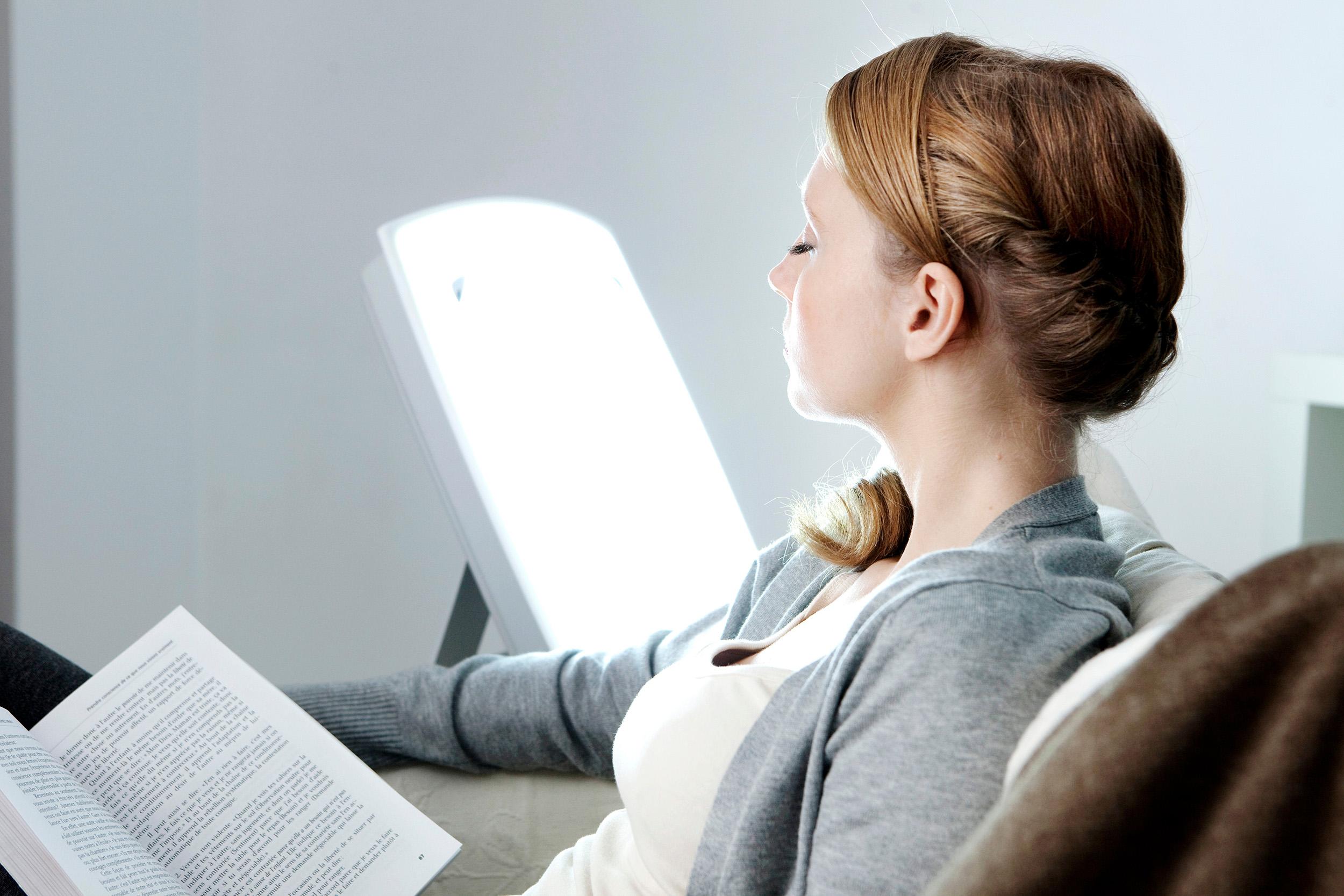
If you’re ready to explore the latest smart bulbs UK homes are using, go ahead and browse our range of smart lighting. We’ve also got some handy advice on finding the best light therapy lamps to beat the blues.