


If you’re starting a new term (or shopping for someone who is), it’s important to know what to look for in a laptop for school. Whether it’s what operating system works best for you or how much power you actually need, it’s a good idea to get the answers before you rush to checkout.
If you’re asking, “Do you need a laptop for university?” it’s a pretty clear yes. These days, a laptop for uni is a must, and they’re becoming more important in schools too. But what should you go for? There's a lot to think about, so here are 5 questions to help you make the right choice.
1. Are you Apple, Windows or Google?
Any great school or uni laptop starts with the operating system. It’s one of the first things to look for in a student laptop. But how to figure out which operating system is best for you? You might already have a favourite that you’ll never stray from, but if you’re not sure, here’s a quick run-down of the big three:
Microsoft Windows: Apps like Word and Excel are familiar to everyone, but they have new tricks too. Copilot AI assistant is designed to work with all the apps you use every day to draft essay structures or create presentations with just a few words. Because there’s such a huge range of Windows laptops, they vary widely in power, making them useful for all kinds of students depending on their other specs.
macOS: This OS runs exclusively on Apple MacBooks, loved by everyone from design students to creative pros. It’s the perfect operating system for the likes of Photoshop and InDesign. It can even be a great uni laptop for architecture students.
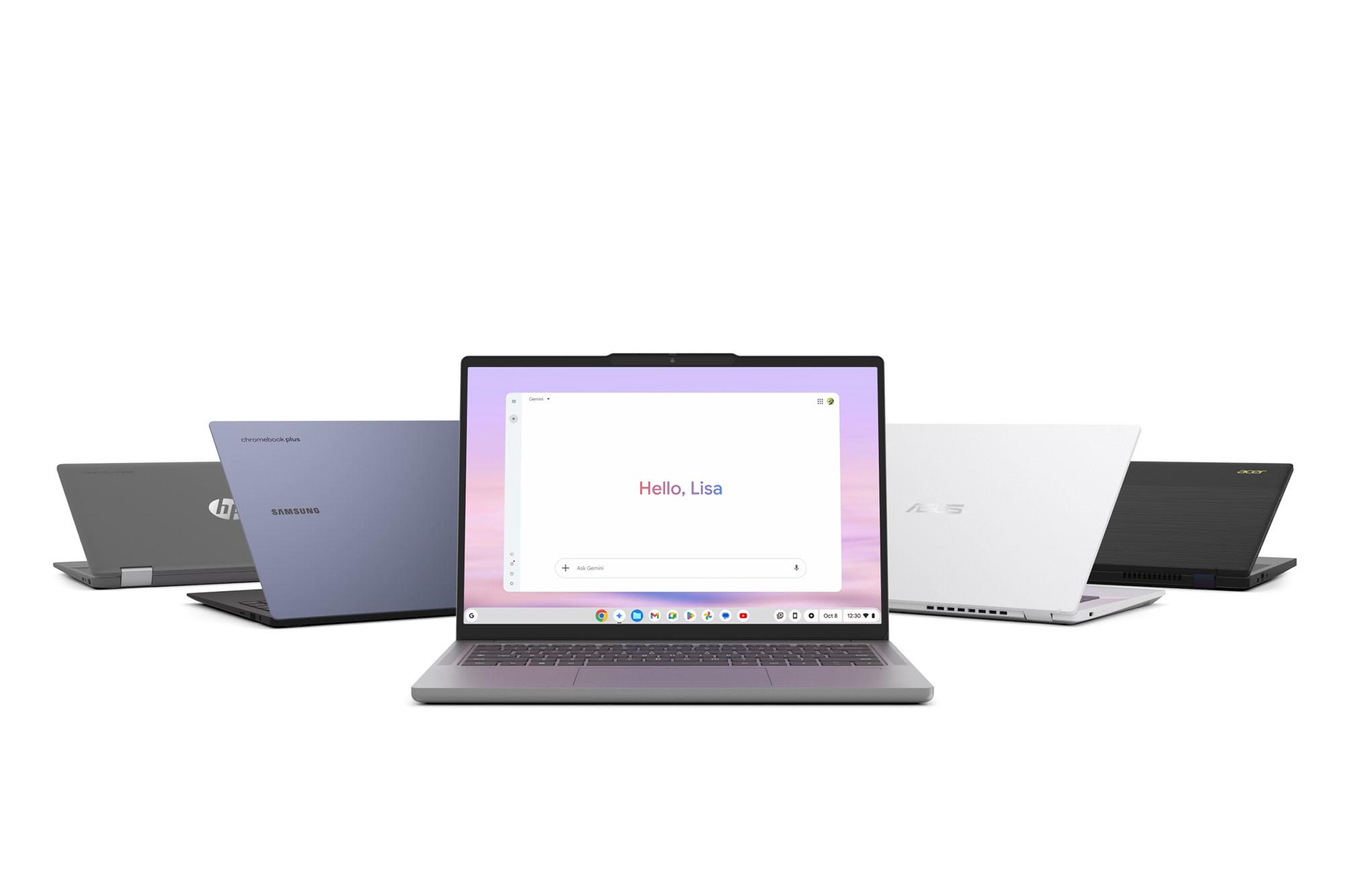
ChromeOS: Powering Chromebooks, ChromeOS is designed for speed, simplicity and security. They’re great machines for working online, and the built-in Gemini AI is a huge help for researching and writing. That’s why Chromebooks are great for students.
| Feature | Windows 11 | macOS (MacBook) | ChromeOS (Chromebook) |
|---|---|---|---|
| Software compatibility | Broad | Strong for creative tools | Limited (mainly web‑based) |
| Battery life | Varies by device | Excellent | Excellent |
| Price range | Wide range | Premium only | Budget‑friendly |
| Best for | Everyday and all‑round use | Creative students | Web‑based workflows |
2. What laptop size is good for uni?
If you’re carrying your laptop across campus most days, size and weight really matter. You’ll want something slim, light and with strong battery life, so you don’t have to find a spare socket for every lecture.
A quick size guide
12-inch or smaller
Ultra‑portable, but it can feel a bit limiting if you’re multitasking.13 to 14-inch laptops
Ideal for most students. Easy to carry, fits nicely in backpacks and still comfortable for essays, research and day‑to‑day uni work.15 to 16-inch laptops
Better if you’re doing design, engineering, architecture or video work, where screen space makes a genuine difference. Just be aware they’re usually heavier and take up more room.
Think about how you’ll actually use your laptop
Your course matters — but so does your lifestyle:
Essay‑based degrees? A compact laptop will do the job perfectly.
Creative or technical subjects? A larger screen is much easier to work on.
Love streaming shows or gaming in halls? You might enjoy the extra screen space.
We’re only talking a few inches, but that can be the difference between a laptop that’s easy to live with and one that feels like a hassle.
Why an SSD makes a big difference for students
Laptops with traditional hard drives can be bulkier. Laptops with an SSD (solid state drive) are much slimmer and are a must‑have at uni:
Boots up faster (no scrambling when the lecturer starts speaking)
Apps and files load up quickly
More durable - no moving parts means it’s better for life in a backpack
Silent operation (no whirring in a quiet lecture hall)
There’s nothing worse than sitting in a lecture hall with a laptop that sounds like it’s about to take off!
Ok, so that’s size sorted. But how much storage will you need as a student?

3. How much laptop storage do I need for uni?
For most uni students, 16 GB of RAM is about right. It keeps things running smoothly when you’ve got research tabs, lectures and assignments all open at once. 8 GB is workable, but it can feel tight over time. If you’re running any demanding apps, 32 GB will probably be a better idea – especially if rendering is involved.
We’ve already talked about how SSD is the way to go. We’d recommend a 512 GB SSD, which should suit most courses.
If you’re working with big files (design, video, coding), cloud storage like OneDrive or Google Drive is a smart safety net. You can also add an external drive for backups — just make sure your laptop has the right ports, ideally USB‑C (faster, more future‑proof) and HDMI for easy plug‑and‑play with uni screens and projectors.
4. Can I get help to buy a laptop for university?
Investing in a new laptop can feel like a bit of a stretch, especially when you’re starting out at uni, and there are loads of other things to buy.
Keep an eye on currys.co.uk during the build-up to the new term, and you’ll often see a student discount on the latest laptops. Plus, top laptops often pop up with a discount during our regular Epic Deals events.
But if you don’t need brand new, there is another way. Our range of refurbished laptops has been carefully restored by our Repair Experts. They come with 12-month guarantees, so you’re never taking a gamble. And with potentially hundreds of pounds in savings, a Refurb can be a huge help to tight budgets.
And if you have other unwanted old tech to trade in, that can help save you some money on a laptop.

5. What else should I look for in a student laptop?
Processors
The processor you need depends on what you’re studying. Power‑intensive courses benefit from high‑performance CPUs, while essay‑based subjects can focus more on efficiency and battery life.
For new laptops, you’ll typically be choosing between Intel Core Ultra, AMD Ryzen 7000/8000‑series or Apple M‑series.
| Type of study | Typical workloads | Intel | AMD | Apple |
|---|---|---|---|---|
| Engineering, architecture, computer science, creative degrees | CAD, simulations, coding, video editing, 3D work | Core Ultra 7 or Ultra 9 | Ryzen 7 or Ryzen 9 | M5 (most powerful) or M4 Pro / Max |
| Science, business, data‑heavy subjects | Statistics tools, large spreadsheets, multitasking | Core Ultra 5 or Ultra 7 | Ryzen 5 or Ryzen 7 | M4 |
| Essay‑based subjects (arts, humanities, law) | Research, writing, presentations | Core Ultra 5 | Ryzen 5 | M3 or M4 |
| School‑age students / light study | Homework, browsing, streaming | Core Ultra 3 | Ryzen 3 | M2 or M3 |
Battery
If you’re moving from lecture to lecture or even studying when you’re in the park and far from a charger, you need a laptop that can last all day and into late-night sessions at the library. The beauty of many modern laptops is that their battery life is much better optimised, meaning that one charge keeps them going all day, even with intensive use.
Entertainment
If you’re planning to kick back after studies and binge on Netflix or Disney+ (other streaming services are available), you’ll want a laptop with a decent screen. A higher-resolution display will give you a sharper, punchier and more detailed picture, which is way more immersive.
And if you want something that can work as a laptop during the day and a tablet at night, look for a 2-in-1 laptop with a touchscreen and stand mode.
Still thinking about it?
Choosing the right uni laptop comes down to five things: your operating system, screen size and portability, SSD storage and memory, budget options and performance for your course. Think about how and where you’ll study, prioritise battery life and you’ll end up with a laptop that will be your inseparable study buddy!
Check out our Laptop Buying Guide for an interactive quiz that helps find your perfect student laptop.
FAQs
Is a laptop or iPad better for uni?
For most students, a laptop is better for uni. It’s easier for typing essays, managing files, using specialist software and multitasking. An iPad can be a great note‑taking companion, especially with a keyboard, but it usually works best alongside a laptop.
Are gaming laptops good for university?
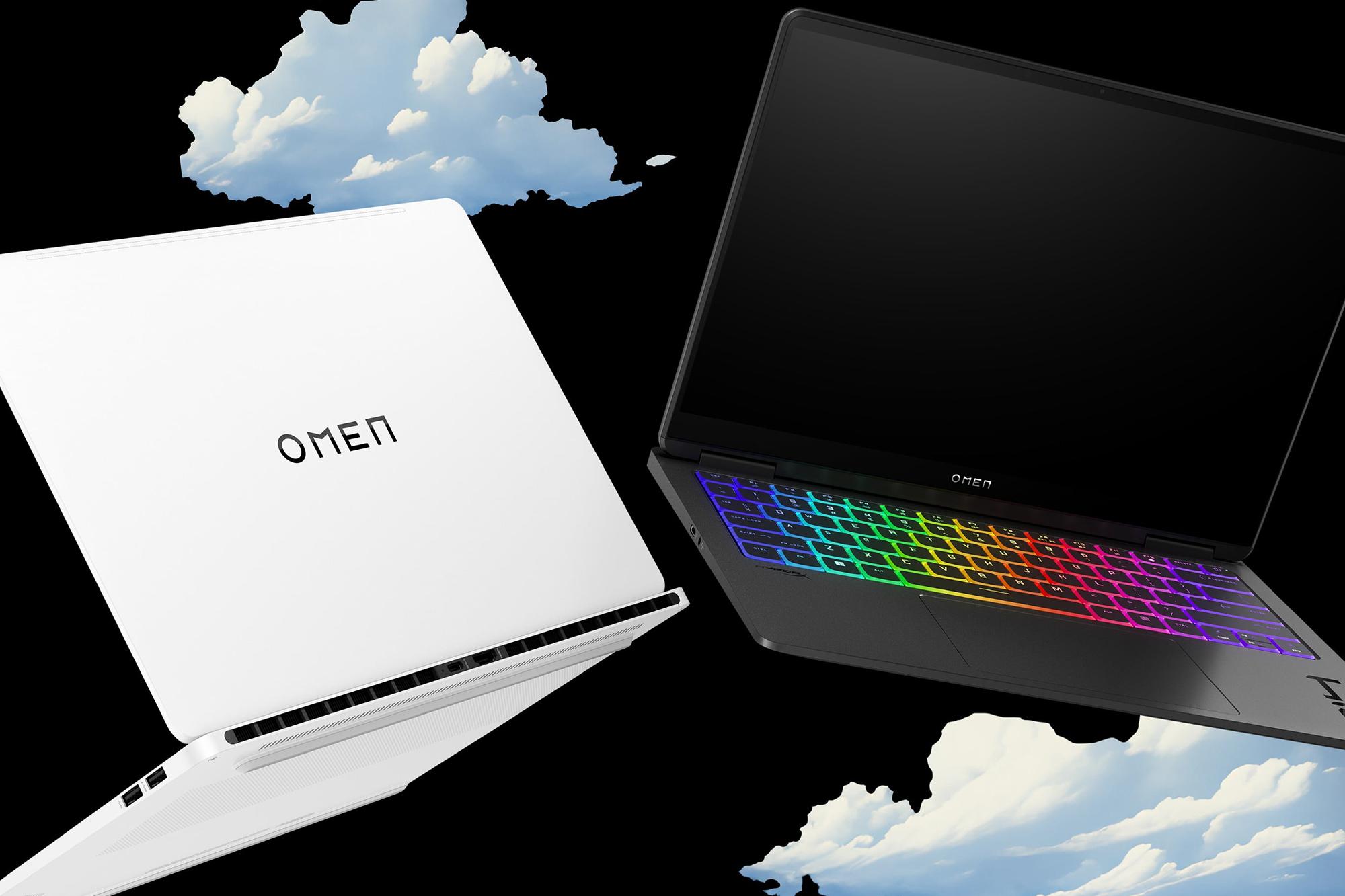
Gaming laptops can work well for uni, particularly for engineering, coding, design or creative courses that need serious power. Just bear in mind they’re often heavier, louder and have shorter battery life than standard student laptops.
Are touchscreen laptops or tablets better for school?
Touchscreen laptops are a great middle ground. They offer the full laptop experience with the flexibility for drawing, annotating notes or using apps. Tablets are more portable but can feel limiting for longer writing tasks or more advanced schoolwork.
Do you actually need a laptop for uni?
Yes, for most uni courses, a laptop is essential. Lectures, research, online submissions, group work and presentations all rely on it. While uni computers help, having your own laptop makes studying far more flexible and manageable.