

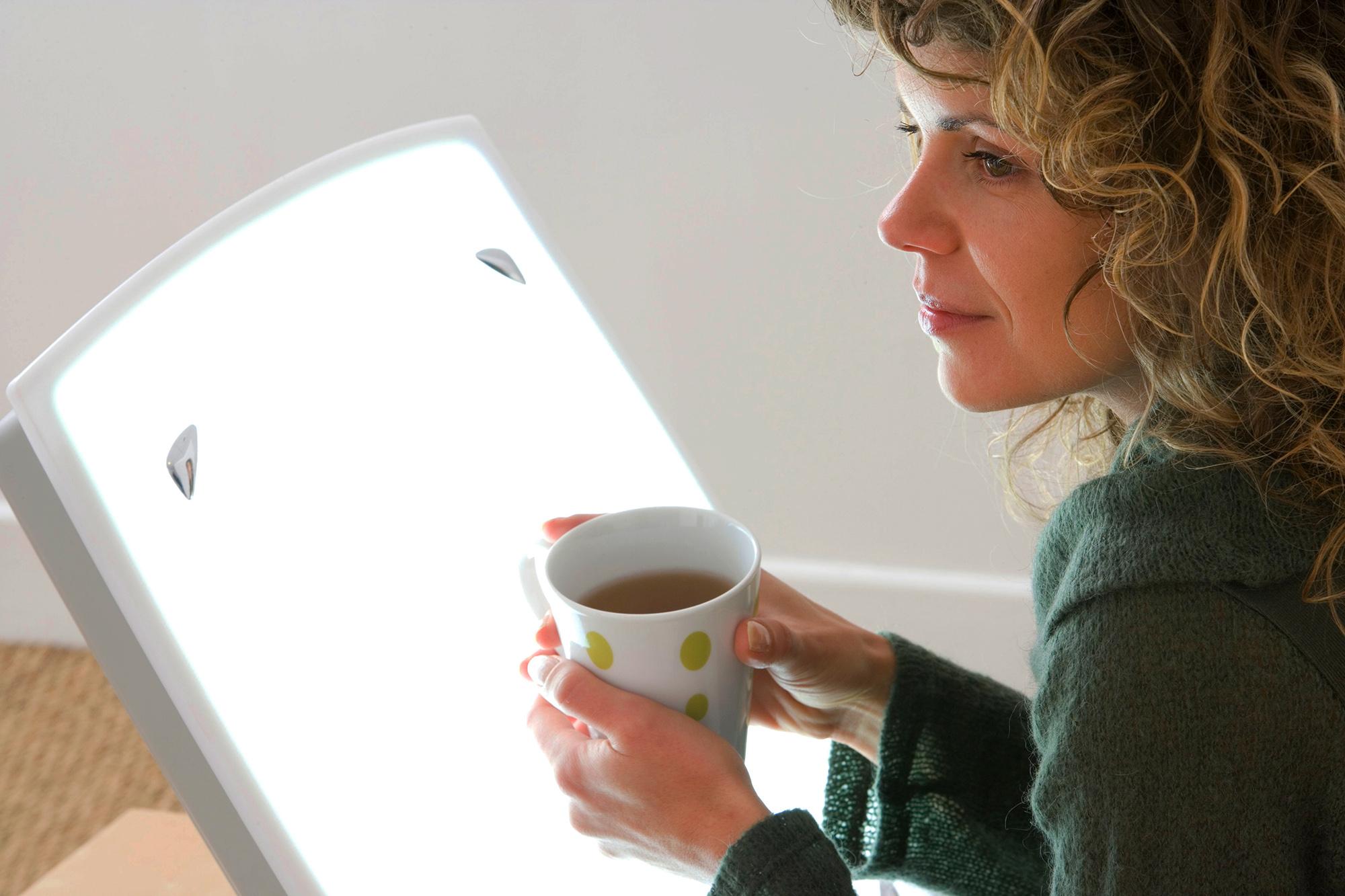
As many as 1 in 15 Brits may experience seasonal affective disorder (SAD) between September and April, according to NHS GP guidance. SAD is a type of depression that follows a seasonal pattern during autumn and winter, and it can cause things like low mood and tiredness.
SAD lamps are designed to help people with Seasonal Affective Disorder by simulating bright daylight. The aim is to give your body some of the bright light it misses out on during darker winter months.


In this guide, we’ll look at how these lamps work, how much they actually help, how to use them safely, and what to look for when buying one. We’ll also look at other tech that can support you during the darker months.
What is a SAD lamp and how does it work?
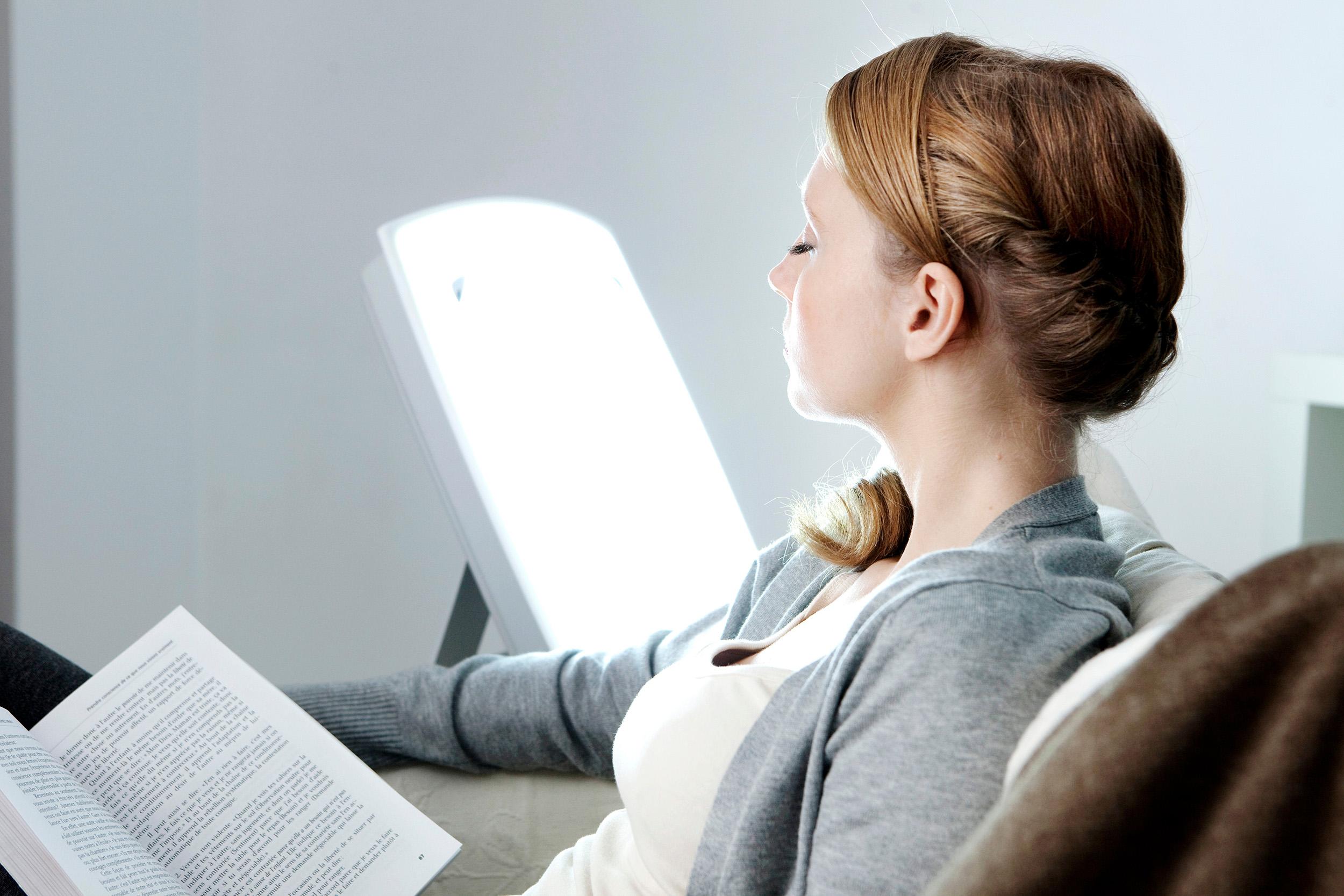
A SAD lamp (also called a light therapy lamp or light box), is designed to provide much brighter light than normal lamps. SAD lamps can produce about 10,000 lux (a measure of brightness), compared with 300-500 lux from a standard lamp.
The idea is to recreate some of the bright daylight we get less of during winter. That extra light reaches your eyes and sends signals to the part of your brain that controls your body clock. It can also affect chemicals involved in sleep and mood, including melatonin and serotonin.
In simple terms, bright light can help tell your brain that it’s daytime, which can help reset your body clock and give you a more balanced sleep-wake cycle. These effects are well recognised by the NHS, who recommend light therapy as a potential treatment for SAD.
Do SAD lamps actually work?

SAD lamps can help some people with SAD manage their symptoms. The NHS includes light therapy among the treatments for SAD and says that it genuinely helps a lot of people. It’s not a guaranteed fix, but it can be a useful part of managing seasonal symptoms.
NHS Inform also highlights studies where light therapy has been helpful, particularly when used first thing in the morning. If it works for you, you might gradually notice improvements in symptoms such as low mood, tiredness and reduced energy.
SAD lamps aren’t for everyone and they’re not a guaranteed fix. But there’s certainly enough evidence to show that light therapy can be worthwhile for some people with SAD. Using your lamp consistently and following the instructions gives you the best chance of seeing if it works for you.
What to look for when buying a SAD lamp
If you're thinking about trying light therapy, look out for these important features:
10,000 lux - this is the standard brightness recommended by the NHS.
UV-free light - the NHS recommends choosing a lamp that's UV-free.
Size and coverage - a larger lamp can illuminate a wider area, while a compact one is easier to fit beside a laptop or move between rooms.
Portability - If your morning routine moves from the kitchen to the home office to the sofa, a compact lamp can be much easier to live with.
Beurer TL30UK SAD lamp

If you want to take your lamp from place to place, go for the compact Beurer TL30UK SAD lamp. It produces 10,000 lux at around 10cm and has an adjustable stand that works in both portrait and landscape positions. It also comes with a storage pouch, so it's easy to pack away or take with you.
Beurer TL 41 desktop daylight therapy lamp
If you’re planning to use a lamp at your desk, the Beurer TL 41 desktop daylight therapy lamp is a good choice. Its 22 x 20cm illumination area gives you a good spread of light, with flicker-free, UV-free illumination designed for use at close range.
Beurer TL 50 Brightlight
The Beurer TL 50 Brightlight is another good option. It gives you 10,000 lux from around 15cm away, so you can sit a little bit further back while using it. It has a large 24.6cm circular illumination area, and LED technology for consistent and even illumination.
You can also browse our full range of SAD lamps or check out our guide to the best light therapy lamps.
SAD lamp vs wake-up lights
SAD lamps and wake-up lights can look similar, but they're designed to do different jobs.
A SAD lamp produces bright light for a light therapy session.
A wake-up light gradually increases in brightness before your alarm, mimicking the changing light of a sunrise.
Which is best? It all depends on the results you want to achieve. If you're specifically looking at light therapy, choose a SAD lamp. If you want to make getting up in those dark winter mornings a bit easier, a wake-up light is a better option.
Philips HF3519/01 SmartSleep wake up light

The Philips HF3519/01 SmartSleep wake up light uses a gradual sunrise to ease you into the morning, and a simulated sunset to help you wind down at night. With 20 light intensities and natural wake-up sounds, it’s a good choice if you want a complete day-to-night routine.
Beurer WL 50 wake up light
The Beurer WL 50 wake up light gives you five LED colours and adjustable brightness, so you can set the light to suit the time of day or mood. It also has a built-in Bluetooth speaker.
Can other wellness tech help during darker months?
There’s plenty of tech to help you build healthier winter habits and make the most of the daylight. A few simple reminders and smart settings can help your days feel brighter and keep new routines on track.
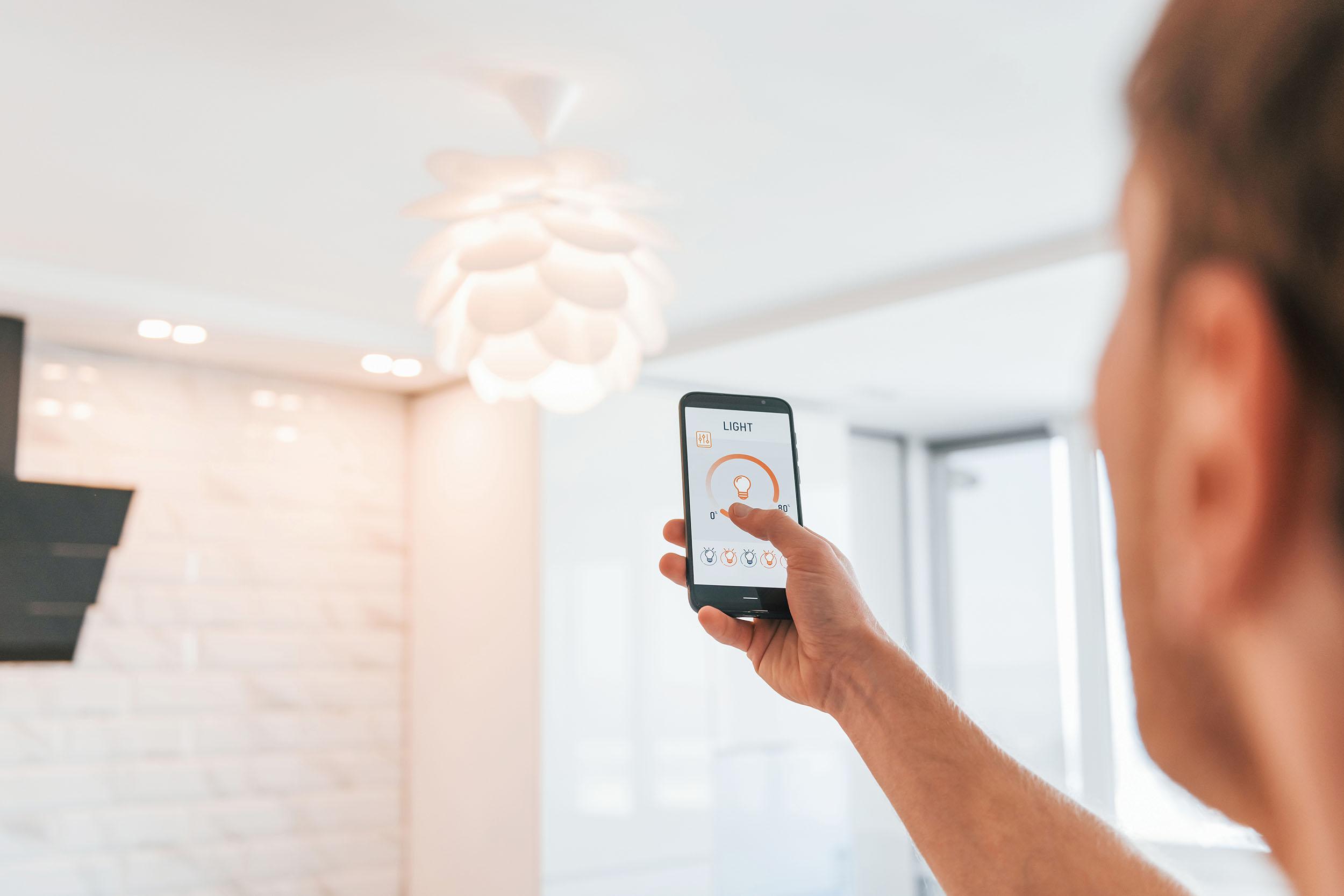
Smart lighting lets you brighten your home during the day and switch to softer lighting as evening rolls around, helping you ease into bedtime.
Sleep monitors can help you keep an eye on your bedtime and waking habits, making it easier to stick to a regular sleep routine.
Fitness trackers can give you gentle reminders to get moving and make the most of daylight when you can.
FAQs
Do SAD lamps really work?
SAD lamps can help some people with seasonal affective disorder, but they don’t work for everyone. The NHS lists light therapy as a treatment option, and says many people find it helps their symptoms. But it says there's not enough evidence for it to be routinely available on the NHS.
How long does it take for a SAD lamp to start working?
There's no guaranteed timeframe for light therapy to work. According to the NHS, a lot of people notice an improvement within around a week. But results vary, so use your lamp according to its instructions.
Can I use a SAD lamp while working?
Yes, you can use a SAD lamp while doing other things like reading or working. A compact desktop model can be convenient if you’re working from home and your morning starts at your laptop.
What time of day should I use a SAD lamp?
Light therapy is commonly used in the morning, and NHS Inform says it may be more effective when used first thing. If you're unsure about timing (particularly if you take medication or have a health condition), speak to your GP before starting.
Are SAD lamps safe to use every day?
Most people can use light therapy safely, but it isn't suitable for everyone. Speak to your GP first if you have bipolar disorder, certain eye or retinal conditions, or take medication that increases sensitivity to light. Choose a UV-free lamp, follow its instructions and speak to a professional if you experience side effects.
Can SAD lamps help with winter tiredness?
They can help when tiredness is part of seasonal affective disorder. But feeling tired during winter doesn't automatically mean you have SAD. If tiredness or low mood persists, or starts affecting daily life, speak to your GP.
What's the difference between a SAD lamp and a wake-up light?
A SAD lamp provides bright light for light therapy, with 10,000 lux the standard brightness recommended by the NHS for a light box. A wake-up light gradually brightens to mimic sunrise and is designed around your morning routine.
Can children use SAD lamps?
If you're considering light therapy for a child or teenager, speak to their GP or another healthcare professional first. They can advise whether it's appropriate and whether any medical conditions or medicines need to be considered.
Important advice: When to speak to your GP
If you think you may have SAD, you should speak to your GP before trying any therapy.
If you've already been diagnosed and your treatment isn't helping, the NHS also recommends speaking to your GP.
You should also speak to your GP before trying SAD treatment if you have bipolar disorder, certain eye or retinal conditions, or take photosensitising medication. This is important because bright-light therapy can potentially trigger hypomania or mania in people with bipolar disorder. Some eye conditions and medicines that increase light sensitivity can also make the treatment unsuitable.