

When it comes to fitness, the gains don’t happen during your workout. Instead, that progress happens while you recover. Proper downtime lets your muscles rest and go into repair mode. They’ll rebuild and come back stronger, quite literally. And now they’ll be ready for whatever you throw at them next!
But soreness, stiffness and fatigue can really slow you down, especially if you’re training too hard or too often. The good news? Modern recovery gadgets make bouncing back so much quicker. So, here’s your guide to the best tools and techniques to help your body recover like a pro.

Why muscle recovery is essential
Whenever you exercise - whether you’re lifting weights, running or cycling - your muscles experience tiny micro-tears. And while it might sound a bit worrying at first, it’s totally normal. These tears trigger your body’s repair process, which is how you get stronger. But to do that, your muscles need plenty of time off, good nutrition and of course, solid recovery.
Here’s why proper muscle recovery matters:
Less soreness – Tools like massage guns and cold therapy help to reduce inflammation.
Better performance – Rested muscles tend to perform better during your next gym sesh.
Lower injury risk – Mobility work and good circulation keep you moving safely. And stop you from being out injured for months on end.
More consistency – When you recover well, you can train more often without burning out.
So, recovery isn’t something you should skip. Instead, it’s the secret to long-term progress.
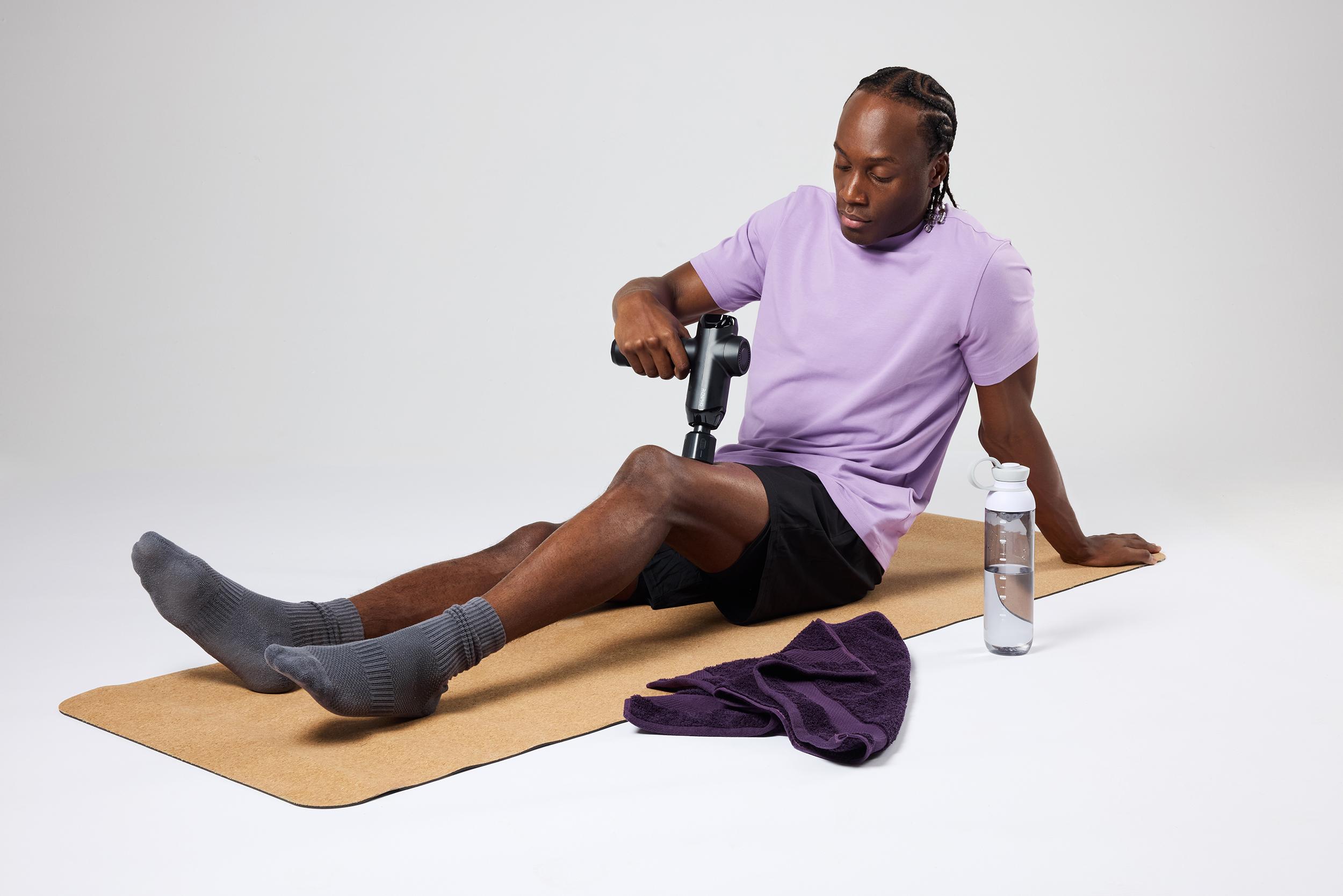
Massage guns for deep muscle relief
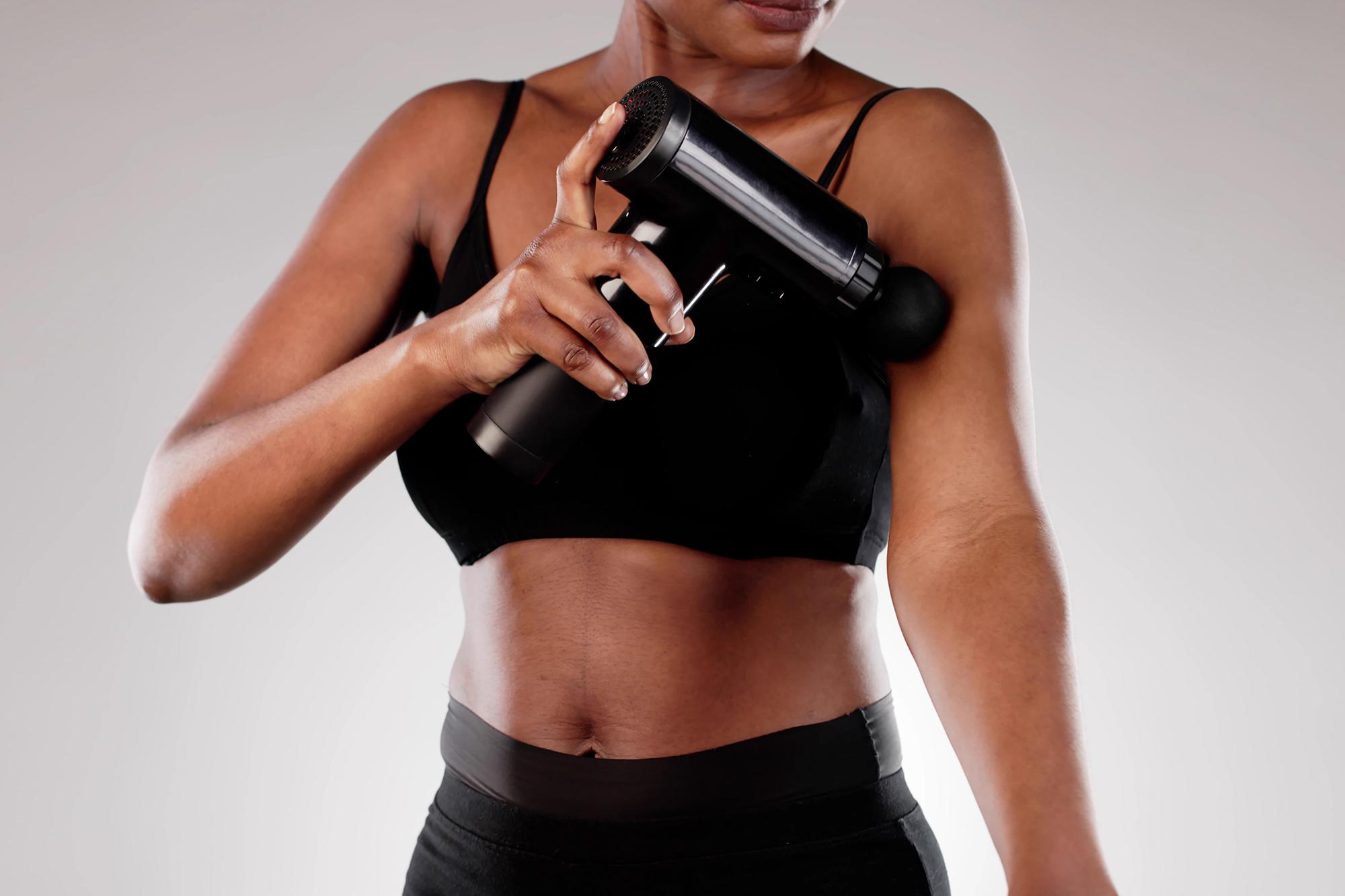
Massage devices use rapid pulses called percussive therapy to loosen tight muscles, boost circulation and ease any knots. They’ll even speed up healing too. They’re great for runners, lifters and cyclists. Or basically anyone who wakes up feeling like they’ve gone a few rounds in the boxing ring. Those heavy legs and tight shoulders will be gone in no time.
When to use one:
Before workouts – To warm up stiff and sleepy muscles and improve your mobility.
After workouts – To ease any soreness and speed up recovery. They also help to flush out the body’s waste products like lactate.
What to look out for:
Speed settings – A lower setting makes things nice and gentle. The higher it is, the faster (and more powerful) the massage is.
Amplitude – This just means how deep the massage goes. There’s a fine line between ooh and ouch!
Attachments – A lot of guns come with different attachments to target different muscle groups. Some might look a bit scary at first, but they’re ideal when you need specific relief.
Top tip: If you’re new to massage guns, start slow. Avoid any bony areas and let the device glide over your body. There’s no need to push too hard.


Foam rollers for myofascial release
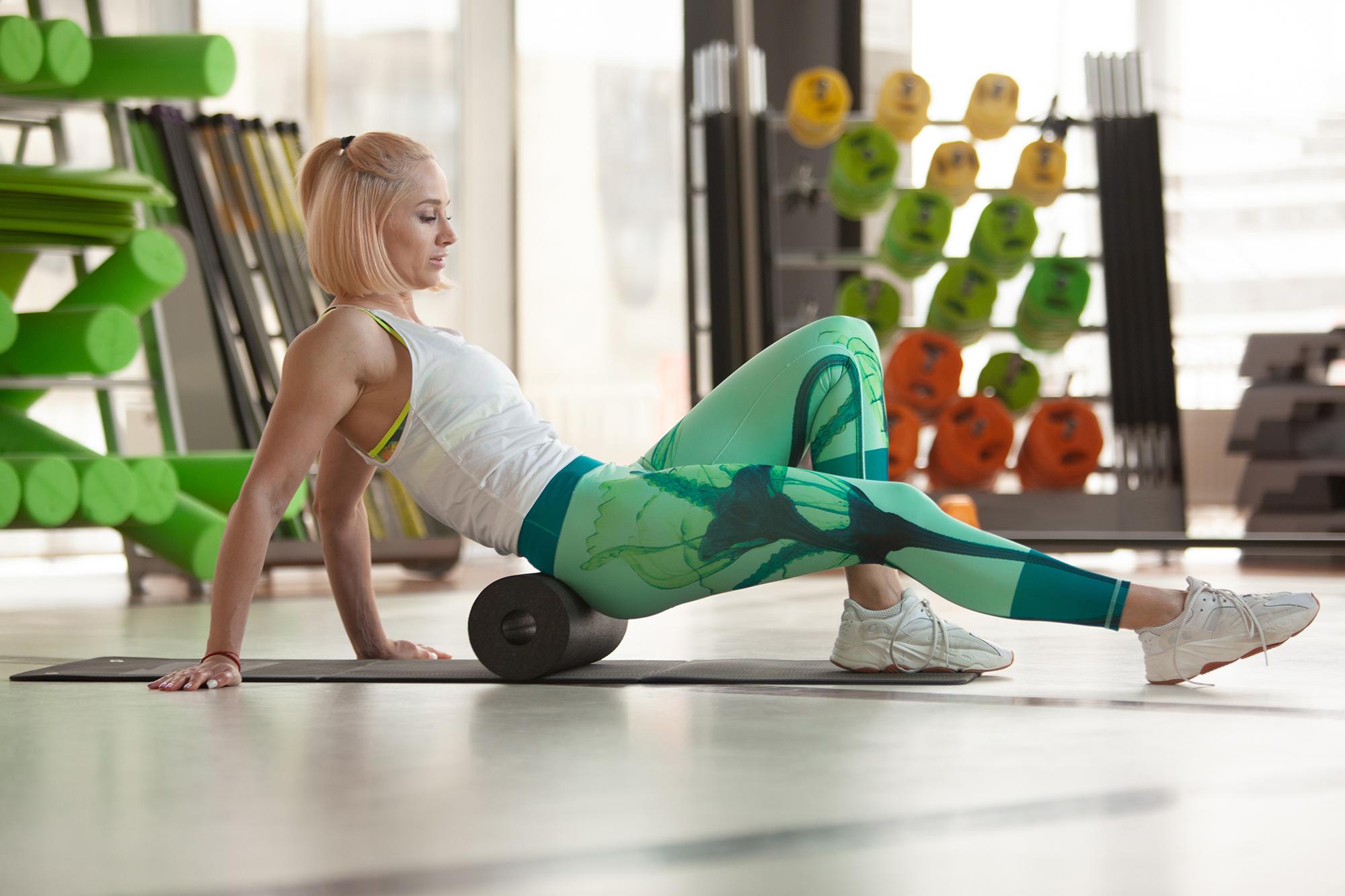
Foam rollers look kind of simple. They’re seriously effective though. Rolling helps to release tight fascia (the web-like connective tissue that surrounds your muscles) and boost your mobility. Hey, maybe now you’ll actually be able to touch your toes!
Regular foam will…
Reduce stiffness – Rolling improves circulation and helps your muscles to ‘slide’ better while you move. And that lowers their tightness over time.
Improve your range of motion – If you’re training regularly, rolling for just 30-60 seconds per muscle group can keep up your range of flexibility. Target areas like your quads, hamstring, glutes and upper back.
Aid warm-ups and cooldowns – A quick roll before you workout will activate your muscles. Then, when you’re finished, another roll will calm the nervous system.
Support daily mobility - Especially if you’re sat down a lot (like when you work from home).
If you fancy something a little more high tech, grab yourself a vibrating roller for a deeper, more targeted release.


Cold water therapy: ice baths for faster recovery
A dip in cold water is a pro athlete staple for a reason. It reduces inflammation, swelling and post-workout soreness. Ice baths can definitely feel intense at first (brrrr!), but once you’re in, they’re surprisingly relaxing. Cold therapy works by constricting blood vessels. This reduces swelling, expanding them again once you warm up by flushing fresh nutrients to your muscles.
What’s the ideal setup?
Temperature – 10-15 °C (dropping lower as you start to adapt).
Duration – Start slow. 2 to 3 minutes is plenty of time at first. Then, when you’ve had a few plunges, work your way up to 10 minutes.
Best after – High intensity training, long runs, heavy lifting or just when you need quick relief.
Top tip: Try deep breathing – it helps your body adapt much faster to the icy cold conditions.


Heat therapy for relaxation and recovery
If cold therapy is for reducing inflammation, heat therapy is for relaxing tight muscles and increasing blood flow. It’s especially good for chronic stiffness and lower back tension.
Heat helps to…
Reduce muscle tightness – But only use heat therapy for long-standing tightness, rather than fresh inflammation (that’s what cold therapy is for).
Improve flexibility – Do some before stretching or mobility sessions, since warm muscles move better.
Make you feel more relaxed and boosts recovery – Heat increases blood flow to your muscles, delivering oxygen and nutrients that support repair.
Top tip: Aim for 10 to 20 minutes. That way, you won’t overheat the tissue.


Compression therapy for improved circulation
Compression massagers gently squeeze your muscles to improve blood flow and reduce swelling. They’re great if you do high-impact training or are on your feet all day long.
There’s two main types:
Dynamic compression systems – These mimic a massage by pulsing pressure up and down your legs.
Compression sleeves – Instead of short pulses, they offer a constant gentle pressure.
But why bother? Well, compression flushes out metabolic waste from your muscles in no time. Which reduces that heavy, achy feeling you sometimes get after exercising. We’d recommend 10-to-30-minute sessions a couple of times a week to feel at your very best.


Smart health devices to track recovery
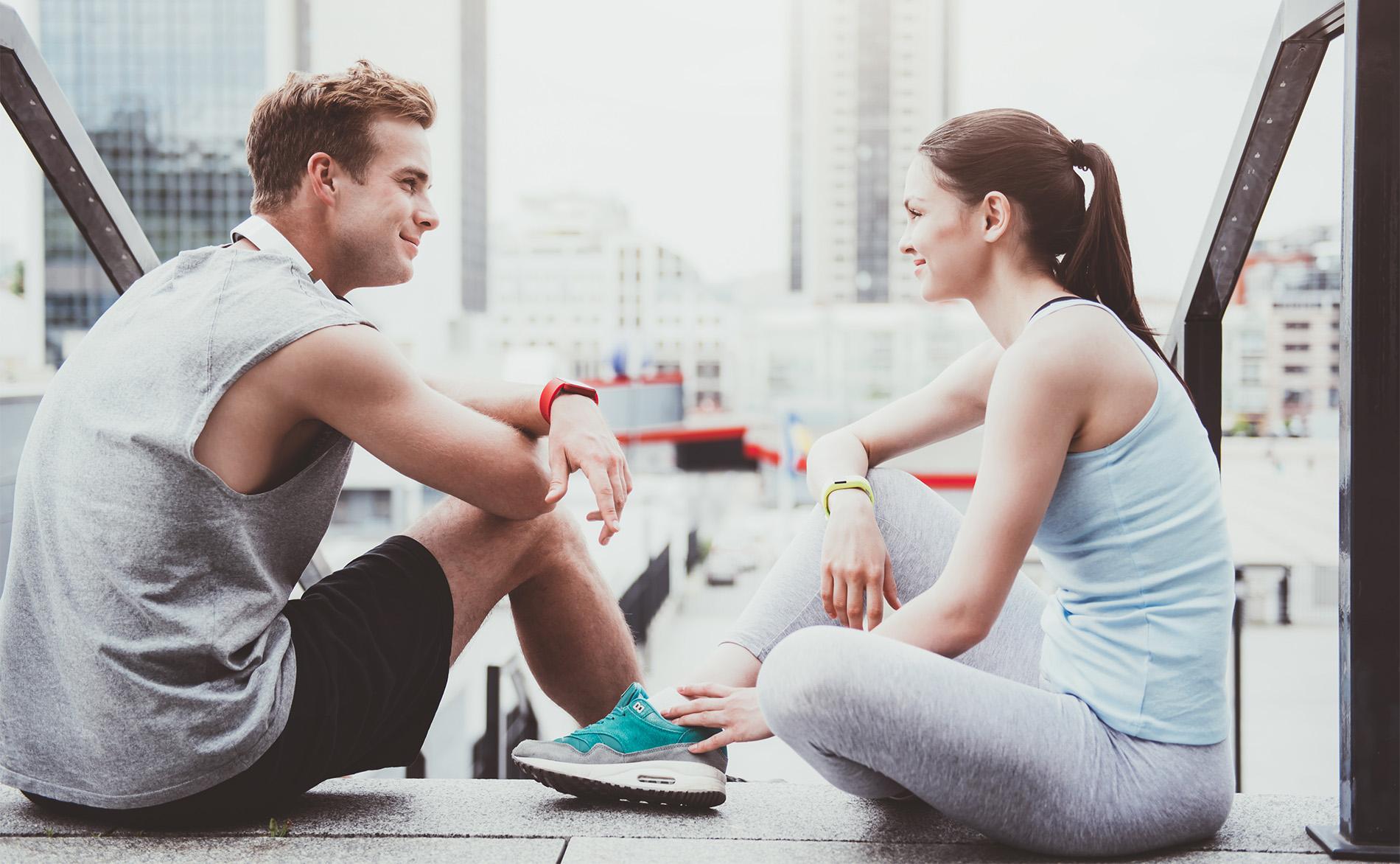
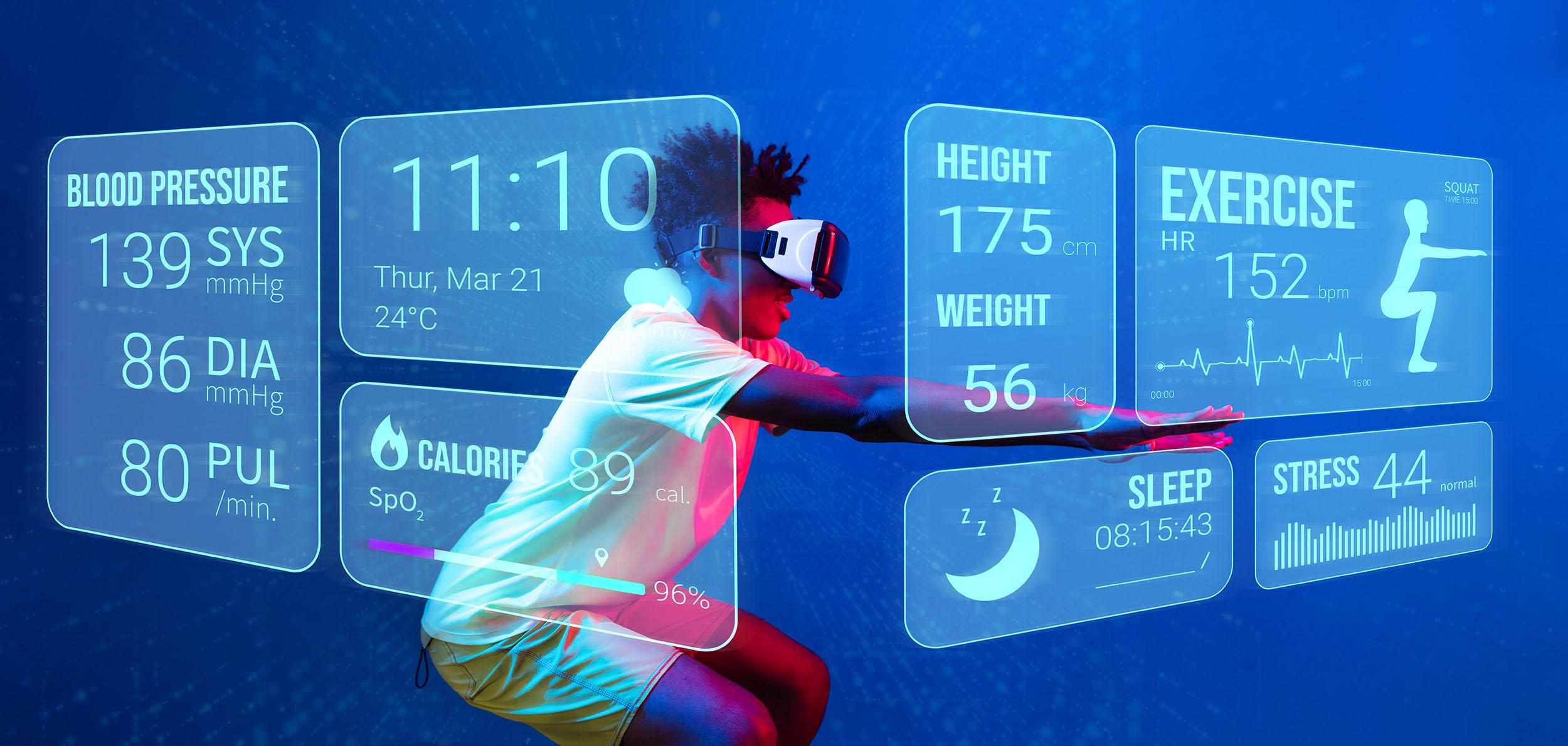
The smarter you are about your recovery, the better your results. Smart devices like sleep trackers and smart rings give you real-time insights into how your body is repairing itself. Plus, most will personalise your training patterns based on your data. Now you’ll know when to push things or when to rest up!
Here’s the key metrics to watch out for:
HRV (Heart Rate Variability) – This is a major indicator of recovery and stress. The higher the number, the more ready you are to exercise.
Resting heart rate – Helps to track fatigue and readiness. After all, you don’t want to completely knacker yourself out.
Sleep quality – Make sure you’re getting enough sleep and good quality zzzzs.
Body composition – Useful for following your long-term progress. You’ll get a clear picture of how much muscle vs fat there is on your body.


Contrast therapy: combining hot and cold for faster recovery
Contrast therapy is exactly what it sounds like. You’ll be swapping between heat and cold to speed up your recovery. Doing so bumps up your circulation, reduces any swelling and encourages way faster healing.
Here’s why it works:
Heat opens blood vessels.
Cold closes them.
Switching between the two temperatures creates a ‘pumping’ effect. And this helps to clear any inflammation of your muscles a lot quicker.
You don’t have to sit there for hours on end. Sessions can be as short as 8 to 12 minutes.
Tips for faster recovery: combine tech with good habits
Recovery tools are super handy. But they’ll work even better when they’re paired with some good daily habits. Add a few of these into your routine, and your muscles are going to repair even faster…
Hydrate properly – Your muscles need fluid to transport nutrients and remove waste. Most adults should aim for about 1.5 to 2.5 litres of water a day. That’s about 6 to 8 glasses.
Get enough protein – Protein supports muscle repair. Eat a mix of lean meats, fish, eggs, dairy and nuts/seeds across the week for the best results.
Focus on sleep – Try to get some consistent sleep (at least 8 hours a night if possible). It’s when your body does most of its repair work.
Stretch or do light mobility work – Even just 5 to 10 minutes every day goes a long way.
Avoid overtraining – Don’t underestimate rest days, they’re part of your training plan, not a break from it!
Combine tools – Use tools together. You could do some heat therapy before stretching or a massage gun followed by an ice bath.
Listen to your smart devices – They can help to build better habits by nudging you when you’re not sleeping enough or overtraining.

Need more advice?
Our health and fitness advice doesn’t stop there. Check out our brrrilliant piece on ice bath benefits right here. Or, have a read of why sleep, stress management and recovery are key to better fitness. Some of the research might surprise you.