

If you think being fit means bigger lifts or longer runs, think again. Good sleep, less stress and proper fitness recovery play a huge part too. They’ll help your body repair after a serious weight sesh or a pacey 10k. And by leaving time to relax and build new muscle, you’ll come back to the gym even stronger. Quite literally.
It’s hard to keep track of all this though. Smart tech to the rescue! With a few nifty gadgets it’s easier to measure your rest, manage stress and plan in recovery like a pro athlete. Right, let’s run you through it…
Why sleep, stress management & recovery matter for fitness
Time for a quick science lesson. Training breaks down muscle. Recovery builds it back up. When you work out, tiny little tears form in your muscle fibres. During recovery, your body starts something called muscle protein synthesis. And that basically patches them up to make them stronger. So, if you skip recovery, your progress will stall big time.
Sleep and stress play a huge role here:
Sleep drives your hormone balance. Deep sleep helps with tissue repair and supports the release of growth hormones. Poor sleep means dull energy, slower recovery and lower performance next time round. Not to mention you’ll be cranky too!
Stress raises cortisol. That’s your fight or flight hormone. It’s useful in short bursts, but high cortisol over time can get in the way of muscle building. Plus, it can really mess with your appetite and leave you feeling wired but tired.
Heart rate variability (HRV) lets you see how recovered you are. Higher HRV means you’re ready to get training. On the other hand, lower HRV can signal fatigue or stress.
Early signs of overtraining to watch out for:
You feel tired even after easy sessions.
Your resting heart rate is higher than normal.
Your motivation dips.
You’re irritable, sore or your sleep gets choppy.
Your performance drops or levels out.
If you spot any of these, it’s time to ease up, sleep more and lower your stress levels.

How smart tech supports sleep, stress & recovery
You don’t have to guess about your recovery anymore. There’s loads of smart tech that’ll show you what’s going on under the hood. And this is key to help you rest and recharge…
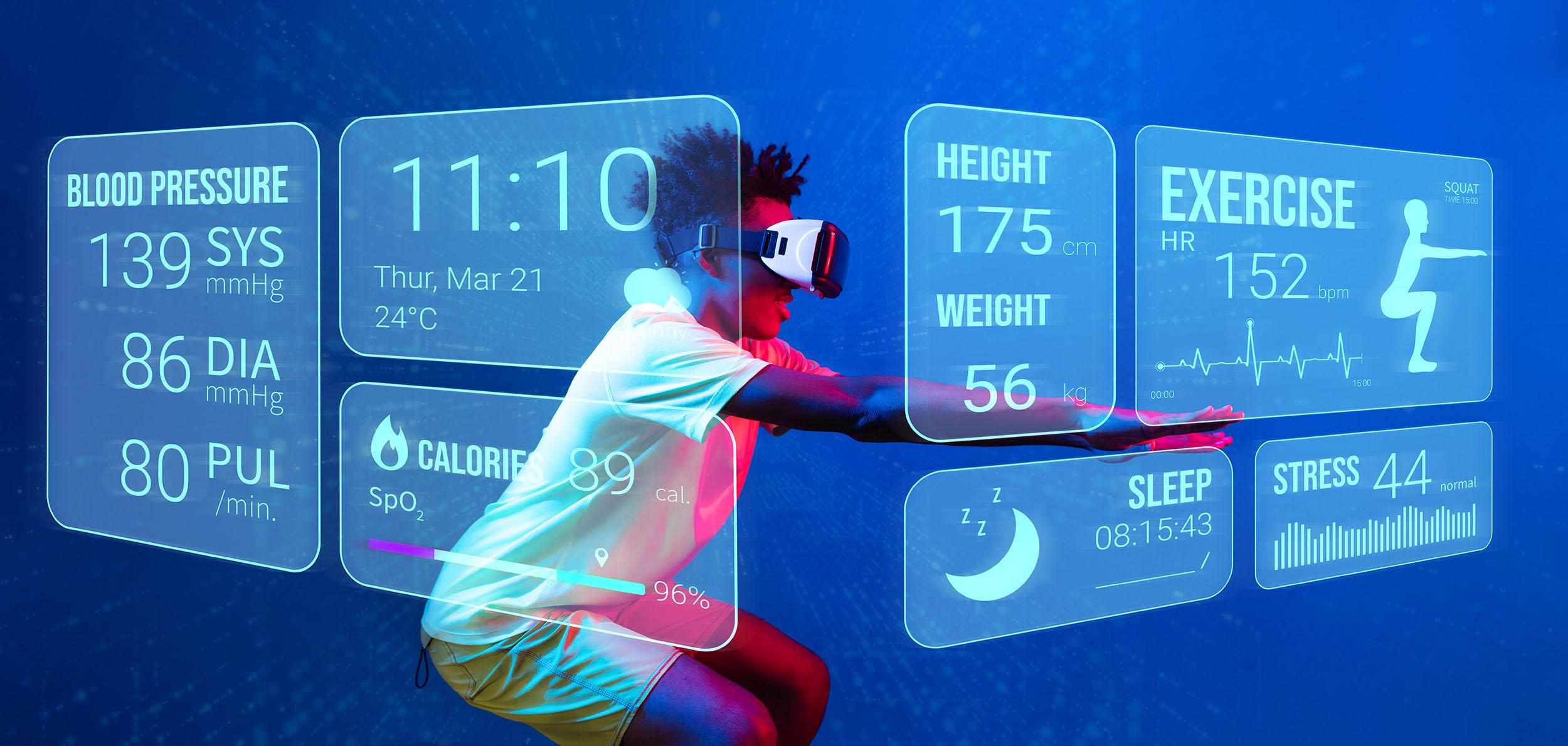
Wearables – Track stats like sleep stages, your resting heart rate and stress scores. Want a simple way to start? Get a fitness tracker to see how your day and night stack up.
Smart lights – A few of these will create a nice calm vibe at night and energising light in the morning. So, you’ll be raring to go, even when it’s early.
Air-quality gadgets – It’s probably something you don’t really think about. But good air quality will make breathing easier. In turn, making your sleep so much smoother.
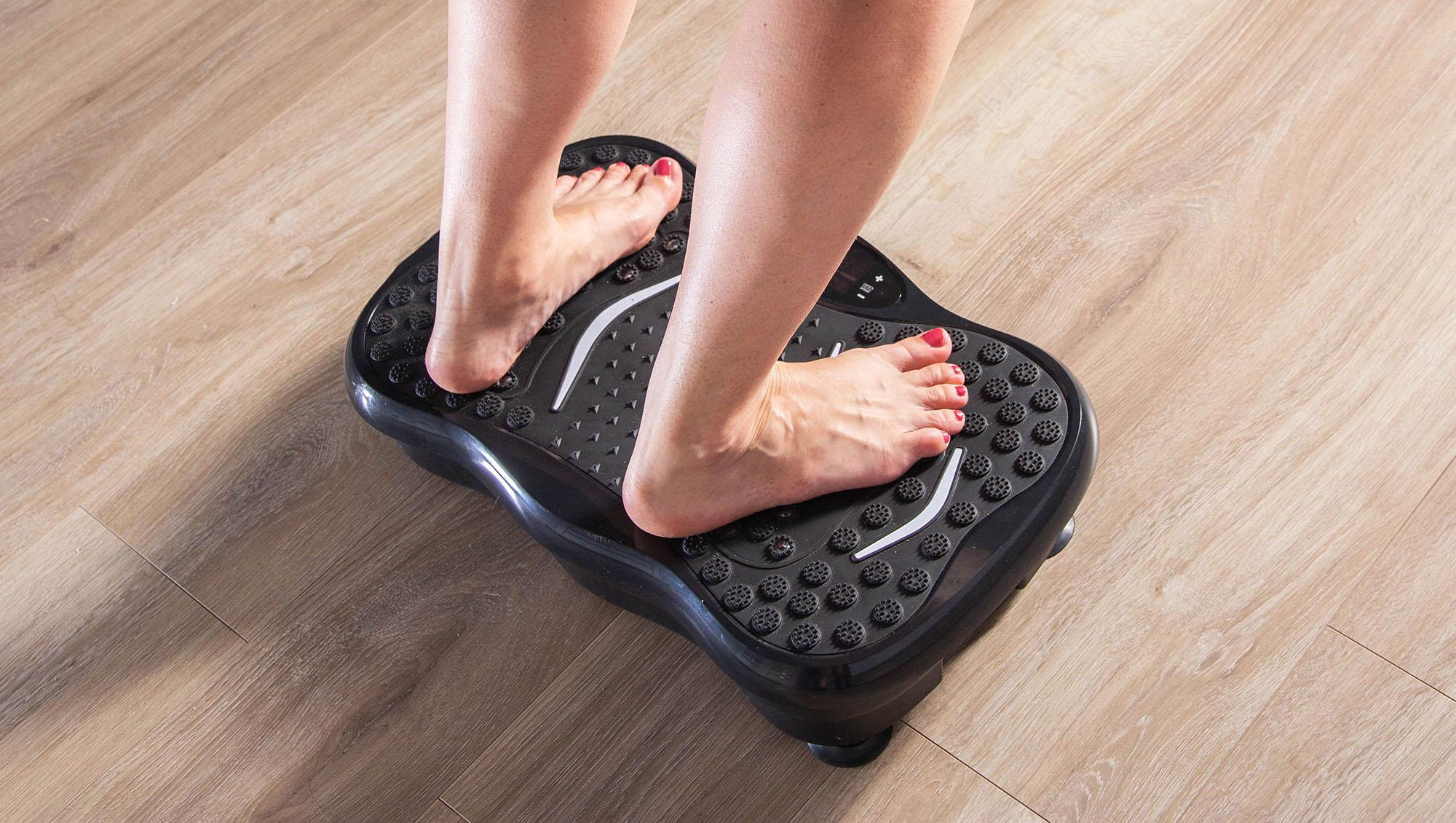
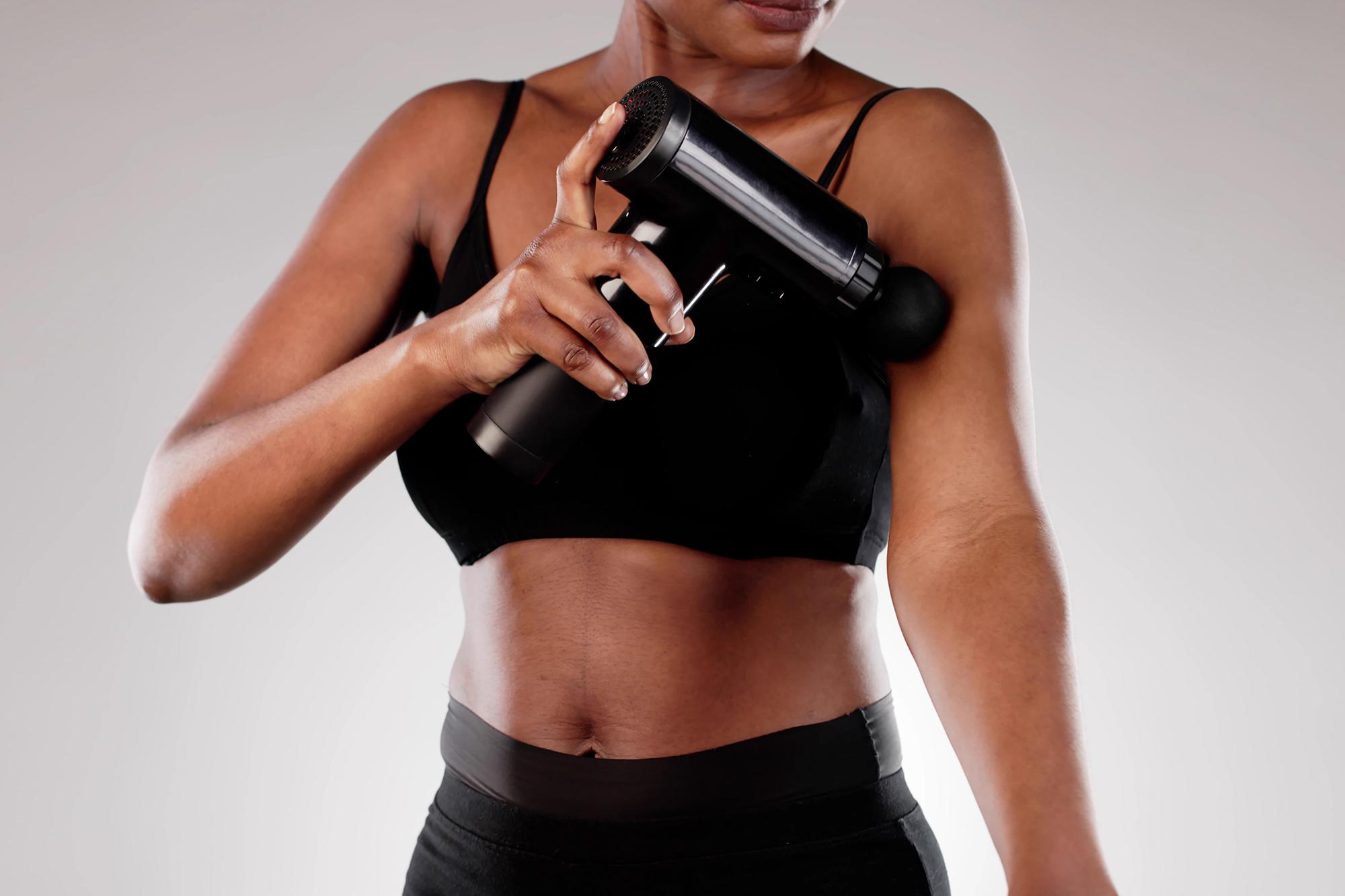
Massage tech – Grab a massage gun to speed up muscle recovery when you’re done training. They’re small enough to pop in your gym bag too. Oh, and a foot massager is a nice added bonus. After all, your feet go through a lot.
Sound Soothers – Use calming soundscapes like ocean waves or rain to drift off to sleep. No counting sheep here.
Having all this extra data and kit is super handy when you’re planning each workout. Now you’ll know when to push that little bit harder, and when to rein it in and rest up. And because trackers and smartwatches collecting those all-important metrics automatically, you won’t have to lift a finger. But you’ll probably still have to lift a few weights…

Sleep: the foundation of muscle repair & performance
Sleep is arguably your best way to recover. During a real deep sleep, your body repairs tissue, balances hormones and resets your brain. Miss out on those 8 hours and everything is going to be way harder. Heavy weights feel heavier. Runs become never ending. And that final rep seems almost impossible.
What to look for in your sleep data:
Total sleep time – Aim for enough hours each night. And don’t stay up late scrolling endlessly on your phone!
Sleep stages – Deep sleep and REM both matter. Deep sleep is key for physical repair, while REM boosts learning and your mood.
Sleep consistency – Try to create a good routine. If you can, go to bed and wake up at a similar time each day. Your body will appreciate the pattern.
Resting heart rate – When it’s lower, that generally means your body is recovering well.
How smartwatches help:
They track time asleep, the different stages of your snooze and other nightly trends.
They nudge you with wind-down reminders.
They spot patterns – like late caffeine – so you can fix them before they become a problem.
Sleep tech that makes a difference:
Create a quiet bedroom with white-noise machines or other soothing sounds.
Block out the light with a sleep mask. And get some blackout blinds fitted on your windows too.
Block out the noise (like your neighbour stomping about next door) by wearing some sleep earbuds.
After a while, all of these small changes will start to stack up. A calmer room, regular bedtime and fewer late-night alerts can make a big difference to how you feel during your workout. Ultimately, you really can’t underestimate the importance of sleep.

Stress management: reduce cortisol & improve workout results
Stress is pretty sneaky. It’ll make your workouts feel harder. Your muscle repair will slow to a crawl. And it can even nudge you toward poor food choices. But you can fight back! When you lower stress, you lower cortisol. And that means, better energy, better recovery and better results. It’s a win, win, win.
Try to create a simple end-of-day routine:
Dim the lights about an hour before bed.
Put your phone away and switch it to ‘Do Not Disturb’.
Play some soothing sounds or white noise.
Try a light massage or some gentle stretching for 10 minutes or so.
Breathe. Inhale for 4 seconds and exhale for 6. Repeat this for 5 minutes.
They’re small things, but they work. The better your mood is, the lower your stress. And the lower your stress, the better you’ll sleep.

Muscle recovery: tools & techniques to prevent injury
Recovery is where your strength gains happen. Your muscles need time and support to rebuild. Get it right, and you’ll move better, lift more and have a lower chance of injury. And that last bit is especially important. A bad injury will have you back at square one!
Popular recovery methods:
Massage guns use percussive therapy to easy tight areas and boost your blood flow.
Heat therapy relaxes muscles and improves circulation. It’ll have you going ahhhh.
Cold therapy is great after intense workouts, or when the soreness spikes. Just remember, it’ll be a shock to the system the first-time round.
Not sure which one to use?
Post-workout tightness or knots – Reach for that massage gun first.
Stiff lower back or shoulders – Heat can help to loosen things up a bit.
Heavy leg day soreness – Short cold sessions can help you feel fresher.
Daily vs. weekly recovery routines:
Daily – 5-10 minutes of light movement, a short massage on tight areas, and a calm wind-down before bed.
Weekly – You’ll need a longer session. Use the gun for a full body massage, heat therapy for stubborn spots and then go for a quick dip in an ice bath. Especially if the training’s been extra hard.

Creating your personal wellness space at home
You don’t have to splash out on an entire home spa. All you need is a small, inviting space for chilling in. Here’s an easy (and affordable) way to make one…
Sound – Set up a speaker and play white noise or nature tracks. Or, if you’ve got the time, settle in for some guided mediation.
Lighting – Try to use warm light at night and brighter tones in the day. Smart bulbs will let you dial this in nice and quick. We’d go for some Philips Hue lighting set to ‘Wind Down’ mode.
Air quality and temperature – Keep the air clean. Dyson Air purifiers will reduce allergens, which can help you sleep better.
Comfy seating – It could be a sofa or your favourite armchair. Add a blanket – plus a cushion or two – and you won’t want to get up anytime soon.

Need more advice?
Our fitness recovery tips don’t stop there. For even better quality zzzs, find out how a fitness tracker can help you get a better night’s sleep. And don’t miss our piece on ice bath benefits. It’s pretty cool stuff.